
Five years after trawling ban: Signs of recovery in Sussex
18th March 2026 marks the five-year anniversary of the Sussex IFCA Nearshore Trawling Byelaw, which removed destructive bottom trawling from more than 300 km² of seabed.
ExCo
Five years after bottom trawling was banned along the Sussex coast, underwater habitats finally have the breathing space they need to recover, and a quiet but powerful transformation is unfolding beneath the waves. The UK’s largest marine rewilding initiative, the Sussex Kelp Recovery Project (SKRP), is seeing vital fish nursery grounds beginning to stabilise and the first ripples of recovery can be seen on the seabed - increases in Black Sea Bream numbers and mussel beds stretching more than a kilometre.
This is rewilding in real time: patient, powerful and with nature at the helm.
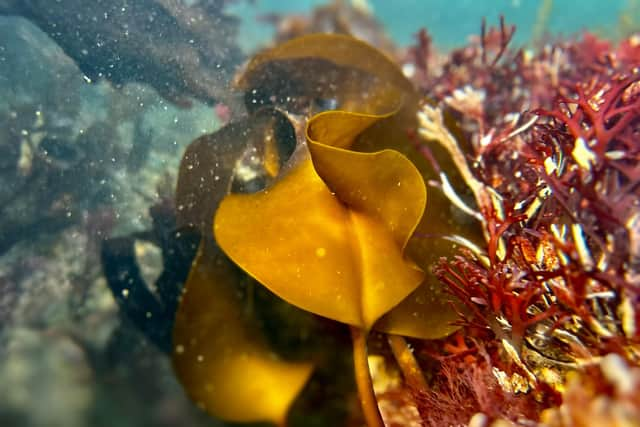

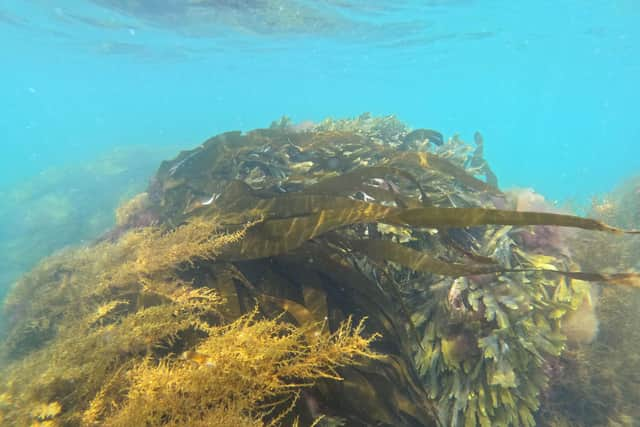
Historically, vast kelp beds stretched along the Sussex coast, from Selsey to Shoreham-by-Sea. By the early 2000s destructive fishing methods like bottom trawling, combined with marine heatwaves, storm damage and smothering by sediment, had devastated this important ecosystem. By 2019, 96% of Sussex’s kelp forests had vanished, along with the rich marine life and coastal livelihoods they once supported.
“In 1999 I gave up fishing because I couldn’t make a living anymore,” recalls Bognor Regis inshore fisherman, Clive Mills. “You can’t keep fishing everything for today. There’s got to be something for tomorrow.”
That push for “tomorrow” ignited an extraordinary public movement, one which was instrumental in supporting the Sussex Inshore Fisheries and Conservation Authority’s (IFCA) implementation of widescale seabed protection through the Sussex IFCA Nearshore Trawling Byelaw (2021). This pioneering fisheries management removed bottom trawling from over 300 km² of seabed - a landmark moment that gave habitats like kelp, mussel beds and chalk reefs the breathing space they need to recover.
Today SKRP, a pioneering collaboration between conservationists, fishers, policy makers, scientists and local communities, continues to support this effective fisheries management and stewards the long journey to a healthy marine ecosystem. Their
monitoring is vital to understanding nature’s ability to recover and their voices the soundscape to its recovery.
And the seabed is responding.
Early ecological signs of hope are emerging - subtle but significant shifts that hint at what could one day return. Vast beds of mussels, some stretching more than a kilometre, are now forming sturdy, living foundations across sections of the coast.
“These first shifts matter,” says Dr Ray Ward, Reader in Marine Sciences at Queen Mary University of London. “I’ve seen mussel beds covering huge areas - and it’s these structures that young kelp spores will attach onto.”
“The natural recovery of our seabed, and the associated benefits for marine life and communities, will take time. Rewilding is a long journey - it doesn’t happen overnight, but it is one we hope to see the large-scale, natural recovery of a robust and resilient marine ecosystem. Seeing increases in a commercially important species like the Black Sea Bream through our underwater video surveys is a promising start.”
Local fishers are noticing changes too. “I’ve seen steady increases in Bream stocks and more widely distributed shoals,” says Mills. “And more Bass - both juvenile and large. Marine life appears to be on an upturn.”
Protection is the foundation but not the finish line.
Other damaging activities act as barriers to long-term recovery. SKRP’s science program not only monitors the life that is returning, but is investigating these hidden threats, so marine life can flourish for generations.
‘There are a range of pressures that we've got here in our UK marine environment, including here in Sussex. And that's things such as pollution, increased sediment levels, and overfishing, as well as the impacts of climate change and the associated marine heat waves.’ says Dr Ward.
‘Marine recovery has never been more urgent.’ says Chris Corrigan, CEO of Sussex Wildlife Trust. ‘We’re proud to be pioneering marine rewilding at scale here in Sussex with the support of thousands of local people.’
Five years in, nature is only at the start of this long journey to rewild the seabed, but the ripples of recovery are slowly gathering momentum. With time, those ripples will grow into waves, revealing a revitalised seascape for generations to come.
Further information is available at:
https://sussexkelp.org.uk