
Blue Monday: 'I'm a sleep expert - here are six tips on how to get a better night's sleep'

Low mood can have a big impact on our sleep 😴
- Blue Monday usually falls on the third Monday in January.
- It is often described as the ‘saddest day’ of the year.
- Low mood can have a big impact on our sleep.
- Lisa Artis, deputy CEO of The Sleep Charity, shares seven tips on how improve your sleep.
Blue Monday is often described as the “saddest day” of the year, but as well as leaving us feeling down during the day, our low moods can have a huge impact on our sleep.
New research from Simba has also revealed that two-thirds of people in the UK get less than three hours of daylight exposure daily during the colder months. Limited daylight disrupts our circadian rhythm, making it harder to achieve restorative sleep and can take a toll on sleep quality, mental health, and overall wellbeing.
Additionally in the UK, many people will also experience seasonal affective disorder (SAD), with Healthwatch revealing that one in 20 are diagnosed with the condition, with men being more susceptible. SAD is a type of depression that often follows a seasonal pattern, with many people finding their symptoms are more severe during the winter months.
Lisa Artis, deputy CEO of Simba’s charity partner, The Sleep Charity, shares seven tips to help improve your sleep this Blue Monday, so you can wake up feeling refreshed.


Rise and shine with a light-based alarm clock
The dark mornings can make getting up a real challenge, but a light-based alarm clock can help you feel more awake. They work by gradually increasing light to mimic a natural sunrise, working in sync with your internal clock for a gentle morning rise.
Artis explains: “Using a light-based alarm clock can help reset your body’s natural rhythm in a way that traditional alarms or phone alarms simply can’t. By mimicking a sunrise, it allows your body to wake up gradually, reducing stress and improving your overall mood.”
Dry January
We may be nearing the end of January, but it’s still not too late to cut back on alcohol, which is known to disrupt slow wave and REM sleep. Artis explains that even though it may help people fall asleep initially, alcohol disrupts your sleep cycle and leaves you feeling groggy, she advises small steps such as cutting back on midweek drinks would have a positive impact.
Book a sleep retreat
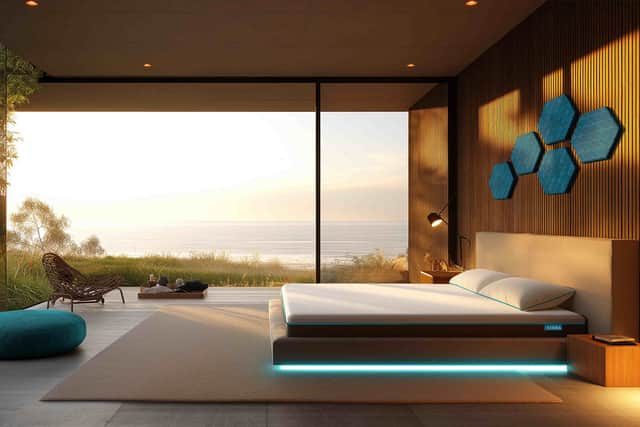
If you really want to treat yourself, you could always try a sleep retreat, such as Simba’s Breaking Dawn retreat, which is opening in Lowestoft, on the Suffolk coastline in July 2025, which is the first place in Britain to see the sun rise.
Artis said: “Morning light is the key to regulating your body’s internal clock. Exposure to sunlight at the right time strengthens your sleep routine, keeps you alert during the day and prepares you for better rest at night.”
Get active
Blue Monday is described as the “saddest day” of the year, but it doesn’t have to be. Artis explains that “Even light movement throughout the day helps reset your circadian rhythm, boosts mood and improves your sleep quality.” Whether it’s a brisk walk, yoga, or a short workout, getting active can boost your mood and improve your sleep.
Don’t exercise before bed
Exercise is proven to help boost your sleep, but if you do it too close to bedtime it can have the opposite effect. High-intensity workouts too close to bedtime can leave you wired, so schedule intense activity for earlier in the day and opt for lighter options, like yoga, in the evening.
Artis said: “Exercise is a win-win for your physical and mental health. It reduces stress, improves mood, and helps your body prepare for sleep by lowering cortisol levels. However, intense exercise late at night can work against you, so aim to finish workouts at least three hours before bedtime.”
Track your sleep
If you want to gain a better understanding of your sleep habits you can track your sleep with sleep tracking devices and apps. They can help us establish how much sleep we are getting every night and if there are any patters. However, be careful about over-monitoring your sleep, which can lead to sleep anxiety of “orthosomnia”.
Artis said: "Sleep trackers provide eye-opening data, especially if you think you’re sleeping well but wake up tired. Focus on actionable changes, like a consistent bedtime routine, rather than chasing perfect numbers. Sleep isn’t a competition.”
What is seasonal affective disorder?
Seasonal Affective Disorder (SAD), is a type of depression that follows a seasonal pattern, with many people finding their symptoms are more severe during the winter months. It is sometimes known as “winter depression”, and is common with one in 20 people in the UK having SAD.
You can find out more about how to get support for common sleep problems at Every Mind Matters.