
NHS Sussex highlights school-based mental health and autism support during Children’s Mental Health Week 2026
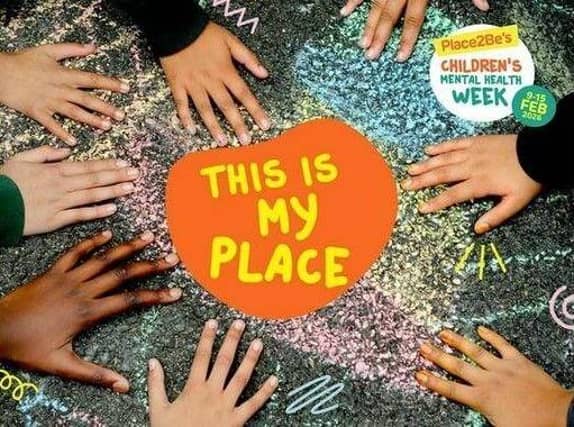

Children’s Mental Health Week 2026 (9-15 February) is focused on a powerful theme: “This is My Place.” It is a reminder that every child and young person deserves to feel safe, supported and that they truly belong - in school, at home and in their community.
Across Sussex, this vision is already being brought to life through partnership working between the NHS, local authorities, schools and families. Two programmes in particular - Mental Health Support Teams and Autism in Schools - are helping to create environments where children can thrive.
Children and young people in 309 Sussex schools can now access help through their local Mental Health Support Team (MHST).
Working in close partnership with schools and local authorities, 20 NHS-led teams provide early support for pupils experiencing mild to moderate mental health challenges, including anxiety, low mood, and sleep difficulties.
By offering early help, in familiar school environments, MHSTs make it easier for children and families to access the right support before problems become more serious, and are helping thousands of children build resilience, confidence, and coping skills.
Alongside mental health support, Sussex is also leading the way in helping autistic children and young people feel that school is truly their place.
The Autism in Schools project, first piloted in West Sussex, has now expanded to support more than 50 schools, nurseries, preschools, and colleges across the county.
The programme focuses on early intervention, open communication and specialist training to help schools better understand autism and inclusive practice.
At its heart, Autism in Schools is about belonging - ensuring every child is recognised for who they are and supported to succeed in their own way. One great example of this is Ocklynge Junior School in Eastbourne, which recently took part in a creative project designed to build greater understanding of autism and celebrate neurodiversity.
Hear more from the staff, parents and pupils at Ocklynge Juniors in this short film:
https://youtu.be/-m8s_EIc9rU
The Pupil Programme, ‘My Self’, brought together autistic children and those on the diagnostic pathway for a series of sessions on topics such as “my strengths” and “my identity”. Pupils developed self-advocacy skills which led them to create and present information to their peers, school staff and parents - from PowerPoint presentations to comic books - on autism, ADHD and dyslexia. These activities helped develop and foster a culture of openness and understanding of neurodivergence within the school.
The ‘My Self’ programme was written and developed by CLASS (Communication, Learning and Autism Support Service) at East Sussex County Council, with input from the East Sussex Parent Carer Forum.
Rachael Carlton, SENCO at Ocklynge Juniors, said: “We are hopefully developing and embedding a culture here that autism is just part of us, just like the colour of someone’s hair, and we’re celebrating differences.”
Evan, a pupil involved in the project, shared his perspective: “Instead of Autism Spectrum Disorder, which is how many people refer to it, I much prefer Autism Spectrum Difference, because it is just truly a difference and we’re all different.”
Vicky, Evan’s mum, added: “For Evan, fitting in has been a difficult one. He’s a very sociable child but not always understood. In doing the Autism group, he’s felt that safe space to be who he is. To be proud to be different.”
NHS Sussex clinical lead, Dr Bikram Raychaudhuri, said: “Recognising and accommodating neurodiversity within school environments is not only essential for children on the spectrum but for fostering a culture of acceptance and inclusion that benefits all students.
“By prioritising neurodiversity support in schools, we pave the way for a more equitable and enriching educational experience for every child and also promote better relations with parent-carers.”