
Richard Esling, On the Grapevine: The vibrant realm of the new wave of modern German wines
Germany, long celebrated for its Rieslings and Spätburgunders, is experiencing a thrilling renaissance. The new wave of modern German wines is redefining the country's vinicultural identity, blending tradition with innovation in ways that captivate both critics and connoisseurs alike. The new wave German wines are not merely a trend, but a profound evolution rooted in a deep respect for the land and a bold willingness to experiment.
Grape varieties and wine styles are matched intimately with the soils and terroir which allow them their ultimate expression, creating wines of character which appeal to today’s wine consumer.
At the heart of this movement are young, passionate winemakers who are challenging conventions.
They are exploring lesser-known grape varieties, employing innovative fermentation techniques, and embracing organic and biodynamic practices. These pioneers are unafraid to push boundaries, resulting in wines that are vibrant, expressive, and often surprising.

Unlike traditional styles that often favour sweetness and clarity, the new wave wines tend to showcase a more nuanced, mineral-driven profile.
They emphasize freshness, acidity, and a sense of place—qualities essential to authentic wine expression. Techniques such as minimal intervention, natural fermentation, and the use of native yeasts allow these wines to reflect their terroir more vividly.
From crisp, aromatic whites to fruity reds, the spectrum of modern German wines is broad and exciting.
Unconventional varieties such as Weissburgunder (Pinot Blanc) produce appealing, aromatic wines, together with pale rosés from Pinot Noir (Spätburgunder), demonstrating a willingness to diversify beyond the classic Riesling and Spätburgunder. These wines often exhibit a balance of elegance and power, with a focus on purity and complexity.
The new wave signifies a broader shift towards sustainability, transparency, and individuality in German winemaking, inviting us to reconsider preconceived notions of German wine.
They challenge the old stereotypes and open a world of possibilities—where tradition and innovation coexist harmoniously. This July is German Wine Month and the ideal opportunity to try out some modern style wines from this country, such as these recommendations below.
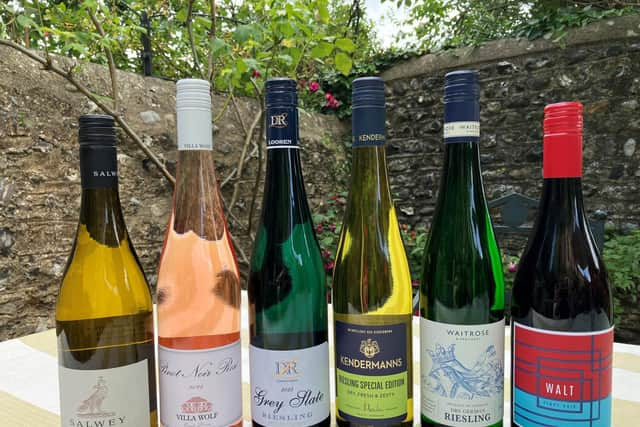
Salwey 2022 Weissburgunder is from the southern Baden region, dry aromatic and zesty, with vibrant acidity and notes of William’s pear and grapefruit. Around £17 from independents.
Villa Wolf Pinot Noir Rosé 2024 is pale, dry, delicate and light – a perfect, refreshing wine for the summer. Beautifully balanced fruit and acidity, with red berry flavours and an elegant finish, from the Pfalz region with vineyards located in Mittelhardt area, which has a microclimate similar to the Alsace. Great value at £11.95 from independents such as Aitken Wines.
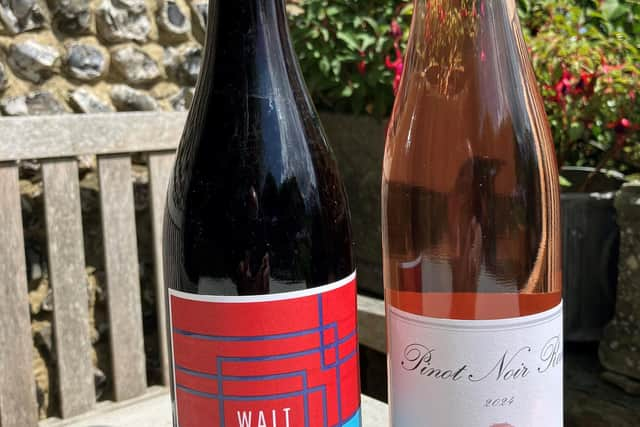
Another wine from the Pfalz region is Walt Pinot Noir 2022, sporting a striking, trendy label. Easy drinking, ripe, fruity red, great for the summer and excellent slightly chilled with barbecued meats or chicken. Elegant and light bodied with soft, ripe tannins, it is also great with pan fried salmon steaks or a goat’s cheese and courgette tart. £13.50 from the Oxford Wine company and other independents.
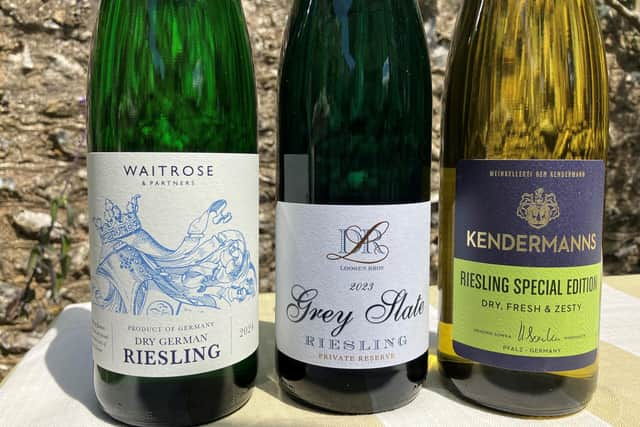
Vibrant, fresh, dry up-to-date German Riesling represents fabulous value and Waitrose has three which are crying out for summer drinking on the patio or in the garden, all slightly different expressions and made by top winemakers.
Waitrose Blueprint Dry German Riesling 2024 is from Nahe adjacent to the Mosel. £7.50.
Grey Slate Dr Loosen Riesling Private Reserve 2023 is from the Mosel at £10 per bottle.
Kendermanns Special Edition Riesling 2023 is dry, fresh and zesty from the Pfalz region. £10 per bottle currently on offer at £8.
Three great value wines from Germany’s most renowned grape variety, all perfect this July.