
Beowulf happened here in Sussex, new book argues
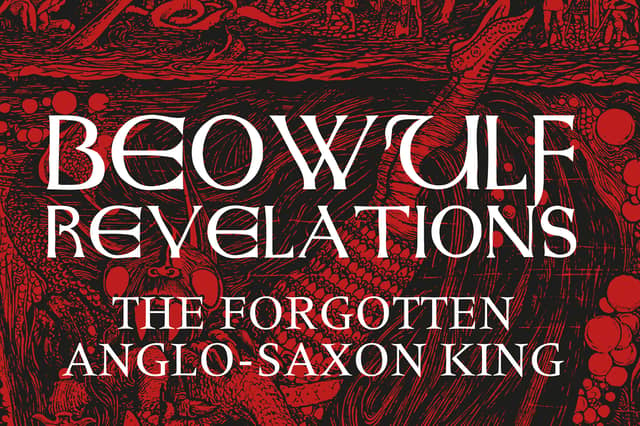

Brighton author George W Jones argues that Beowulf isn’t a myth and that it didn’t mythically happen in Sweden.
He says there is compelling evidence that Beowulf was a real person and that it all happened right here in Sussex, with the Ouse Valley a key location.
It's all in George’s new book Beowulf Revelations – The Forgotten Anglo-Saxon King (Spiral Books, available from www.spiral-books.com and Amazon, priced £12.99)
Growing up in Lewes, George took a particular interest in the town’s historical roots, fictionalising many years of research to produce his first novel The Lost Grail Legends of Lewes and Hamsey.
Now he is arguing that Beowulf is anything but fiction.
The Beowulf Manuscript, an ancient document housed in the British Museum, has been the subject of extensive study and translation by literary giants including JRR Tolkien and Seamus Heaney. With his new book, George aims to bridge the gap between myth and reality, presenting the case for the historical accuracy of the events described in the text. He is promising to “unravel historical secrets and mysteries that have puzzled scholars for decades.”
The book explores the strong possibility of a precise location for Beowulf’s death scene, the probable site of his burial mound and even a museum where his burned bones and funerary urn may now rest, unknown to the curators. George argues that Beowulf died in Old St Peter church, Hamsey – and was buried at Telscombe Tye.
George is convinced that Hamsey is the highly probable location for the lost meeting place of kings known as Clofesho.
“There is a lot of evidence and it has taken me seven years to put it together. It is a very difficult and complicated subject. Most people don't know the extent of the details within the story. The original document is in the British Library and people don't know when it dates from but people say it was between 950 and 1050 and I think that's about right. But people don't know when the actual story happened if it happened at all. There are people that say it is a myth but I am 100 per cent convinced that it is actually history.
“And I believe that it all happened around a place called Hamsey in Sussex, just at the foot of Lewes, between Ringmer and Lewes. It is a tiny promontory and on that promontory is the old church of Old Saint Peter and I believe this is Clofesho where the Anglo-Saxon kings met. It was basically the first parliament.
“No one knew where it was, and it is the most famous of the lost meeting places.”
Other sites have been claimed for it, but George insists it is in Sussex.
And he is certain he can persuade people of this: “I want to change the idea that there was this mythological Swedish man that didn't exist into the idea of him being a known character that definitely did exist and that he definitely did exist in Sussex. I want to turn the myths into history. People have been trying to fit the story into mythology and I think Tolkien was responsible for that, but I do believe that if he had had the evidence I have now, even he would have changed his mind about Beowulf not having been a historical figure.”
If you bear in mind what the landscape was like at the time, then the landscape around Hamsey matches the landscape described, George argues.
Additionally, the book examines the etymology of place names in Sussex, such as Beorhthelmestun (Brighton) and Ringmer, linking them to further characters and events within the Beowulf Manuscript. George offers an analysis of these names and their historical significance, offering readers what he calls a “deeper understanding of the connections between the manuscript and the landscape of Sussex.”