
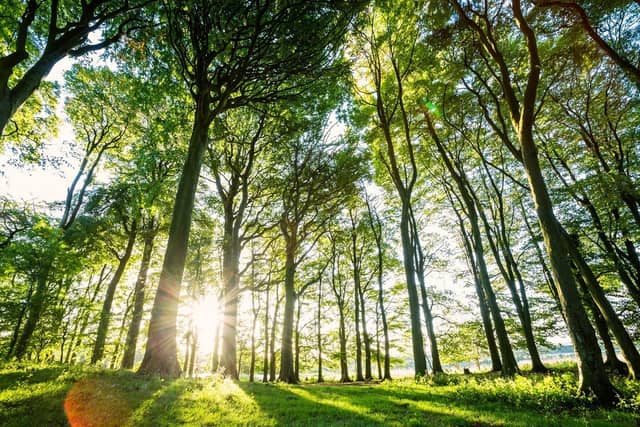

The 87-mile-long South Downs National Park was designated as a haven for nature with some of the rarest habitats in the world – reptile-rich heathlands, chalk grasslands brimming with blue butterflies, wildlife-rich wetlands and woodlands full of bird song.
But, like so much of Britain in the 20th century, nature had been marginalised in some parts, often just about surviving in isolated ‘island’ habitats, leaving some species in danger of local extinction.
The creation of the South Downs National Park has started to turn the tide on that biodiversity loss, with concerted efforts over the past 15 years to create bigger, better and more joined-up habitats where animals and plants can thrive.
As the National Park celebrates its 15th birthday on March 31, 15 biodiversity success stories are being shared.
Jan Knowlson, biodiversity officer for the National Park, said: “Nature gives us everything. The air we breathe, the water we drink, and the food we eat – it’s all dependent on biodiversity.
“The South Downs National Park has some of the rarest wildlife in the UK and is a last bastion for many species, so it’s vital that we protect them and strive to ensure that nature is thriving, rather than merely surviving.
“Through our ReNature campaign and many innovative partnerships, we’ve done a huge amount in the past 15 years to help wildlife and these efforts will continue at great pace. Ultimately, we want nature everywhere, for everyone.
"One of the wonderful things about National Parks is they are places where people and nature can come together.
“Nature recovery doesn’t happen overnight, but we’re seeing the green shoots of recovery.
"Many of us will remember the days when you’d come back from a drive in the country with a windscreen splattered with squashed insects.
If we can get back to those days, we’ll know that nature recovery is really working.”
To find out about the National Park’s ReNature initiative and to donate visit www.southdowns.gov.uk/renature
Take a look through the South Downs National Park’s 15 biodiversity success stories below...
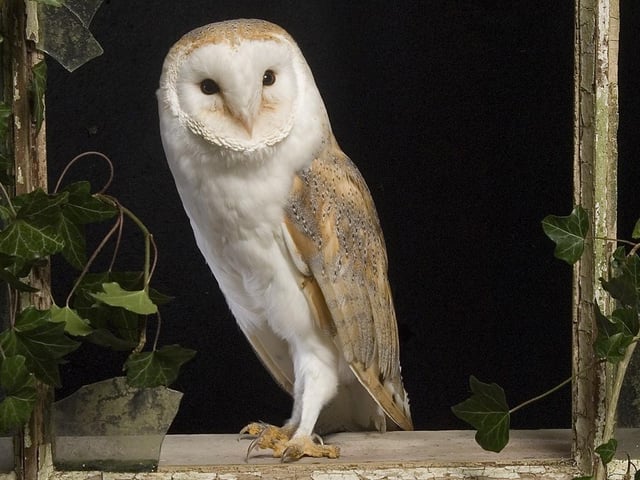
13. Barn owls
Hundreds of barn owl boxes have been installed across the National Park with support from local ranger teams. In the Selborne Landscape Partnership, for instance, a total of 79 barn owl chicks were recorded between 2017 and 2021 – benefitting from the installation of 53 nesting boxes and the creation of 93 miles of tussocky grass margins across the region. As an apex predator, barn owls are a good indicator of the health of landscape. As a general rule the more barn owls we have, the healthier the ecosystem is! Photo: Bruce Middleton
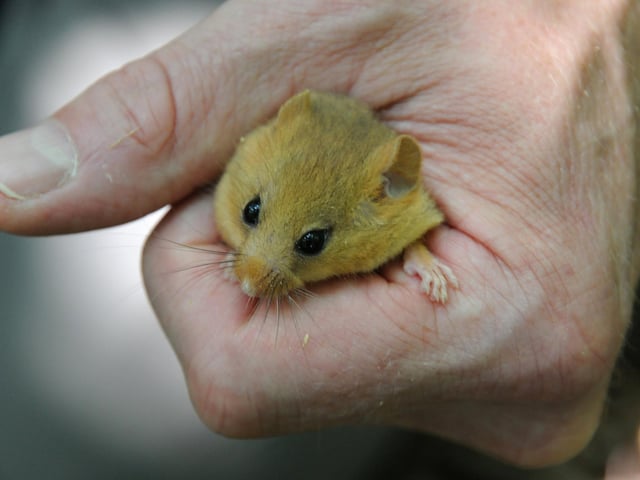
14. Dormice
Dormice continue to be on the brink across the UK, but the National Park has been working hard to help this struggling mammal. Dormice love a well-managed hedge and hundreds of metres of hedges have been laid in recent years, together with extra training for volunteers and community groups on how to maintain wildlife-rich hedges. Careful woodland management, together with more volunteer dormouse surveyors, means things are looking more hopeful for this elusive creature. Photo: Morris Troughton-Hume
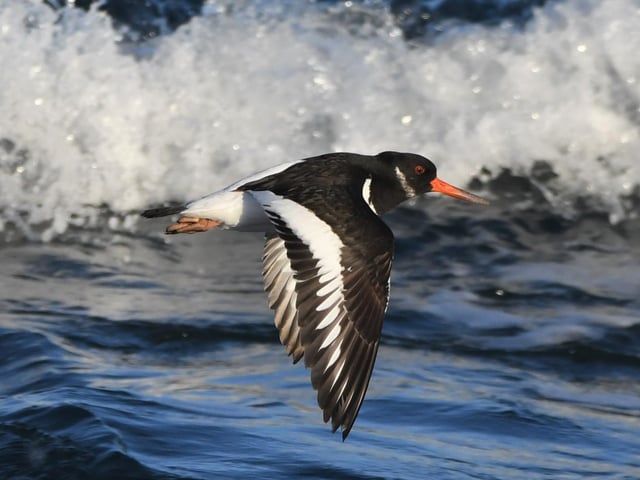
15. A new network of wetlands
An exciting £1.7m project called “Downs to the Sea” recently got under way to restore and create a network of “blue spaces” in the landscape. The project will help hundreds of wetland bird species such as the curlew, redshank, wagtail, little egret and oystercatcher. Downs to the Sea will help carry out much-needed restoration work to a number of internationally-designated wildlife sites, such as RSPB Pulborough Brooks and RSPB Pagham Harbour in West Sussex. Watch this blue space! Photo: Tim Squire