
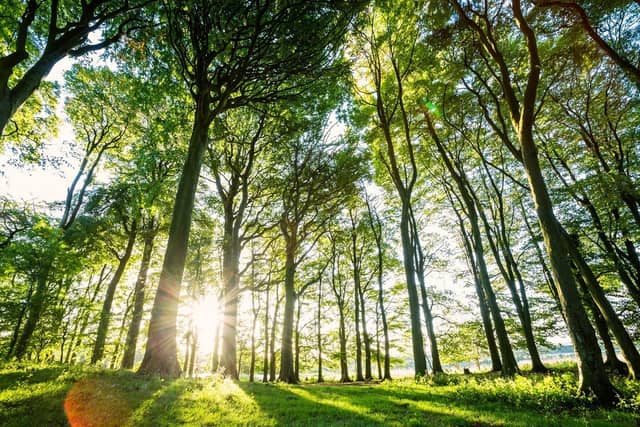

The 87-mile-long South Downs National Park was designated as a haven for nature with some of the rarest habitats in the world – reptile-rich heathlands, chalk grasslands brimming with blue butterflies, wildlife-rich wetlands and woodlands full of bird song.
But, like so much of Britain in the 20th century, nature had been marginalised in some parts, often just about surviving in isolated ‘island’ habitats, leaving some species in danger of local extinction.
The creation of the South Downs National Park has started to turn the tide on that biodiversity loss, with concerted efforts over the past 15 years to create bigger, better and more joined-up habitats where animals and plants can thrive.
As the National Park celebrates its 15th birthday on March 31, 15 biodiversity success stories are being shared.
Jan Knowlson, biodiversity officer for the National Park, said: “Nature gives us everything. The air we breathe, the water we drink, and the food we eat – it’s all dependent on biodiversity.
“The South Downs National Park has some of the rarest wildlife in the UK and is a last bastion for many species, so it’s vital that we protect them and strive to ensure that nature is thriving, rather than merely surviving.
“Through our ReNature campaign and many innovative partnerships, we’ve done a huge amount in the past 15 years to help wildlife and these efforts will continue at great pace. Ultimately, we want nature everywhere, for everyone.
"One of the wonderful things about National Parks is they are places where people and nature can come together.
“Nature recovery doesn’t happen overnight, but we’re seeing the green shoots of recovery.
"Many of us will remember the days when you’d come back from a drive in the country with a windscreen splattered with squashed insects.
If we can get back to those days, we’ll know that nature recovery is really working.”
To find out about the National Park’s ReNature initiative and to donate visit www.southdowns.gov.uk/renature
Take a look through the South Downs National Park’s 15 biodiversity success stories below...
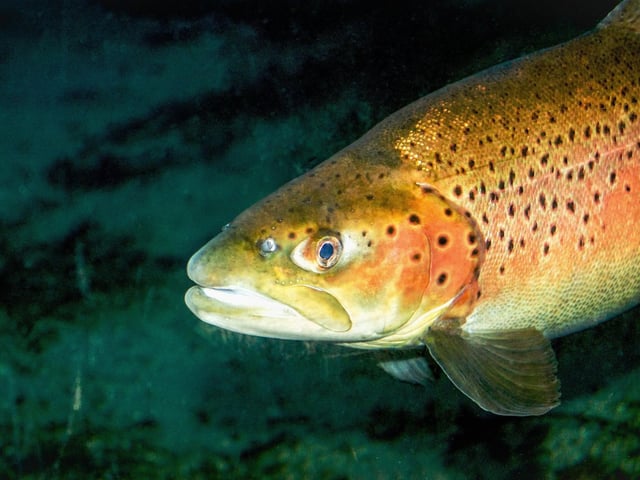
9. Wild Trout
The Rother Revival project, with support from The Sussex Lund grant programme, is under way and focuses on restoring and enhancing a stretch of the western Rother in Hampshire and West Sussex. The work involves lowering the river bank to help reconnect the river with its floodplain, narrowing the channel to increase flow and introducing woody debris and newly-planted trees to provide valuable habitat for wild fish. The work is helping to reduce erosion and sedimentation – something that will benefit spawning wild trout, which need clear well-oxygenated water and clean gravels to lay their eggs. Wild trout are excellent indicators of the health of a river – and where they thrive you can be sure that other wildlife will thrive too! Photo: Molly Marshall
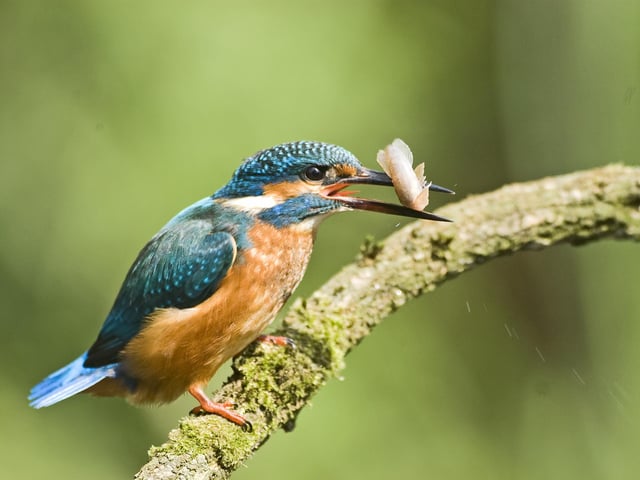
10. 'Rewiggling' the Cockshut Stream
Realigning a rare chalk stream near Lewes has created six hectares of much-needed wetland for wildlife. The restoration of the Cockshut Stream has seen the area quickly become an oasis for nature, with herons, kingfishers, egret and snipe among the many birds to be found, while toads, sticklebacks, eels and newts can be spotted in the ponds. Grass snakes are using the reedy ditches and many species of dragonfly have been seen this summer in the meadow and riverbanks. The project was a partnership between Lewes District Council, partners at the Ouse and Adur Rivers Trust, Lewes Railway Land Wildlife Trust, South Downs National Park Authority, Veolia Environmental Trust and Chris Butler Archaeological Services. Photo: D Middleton
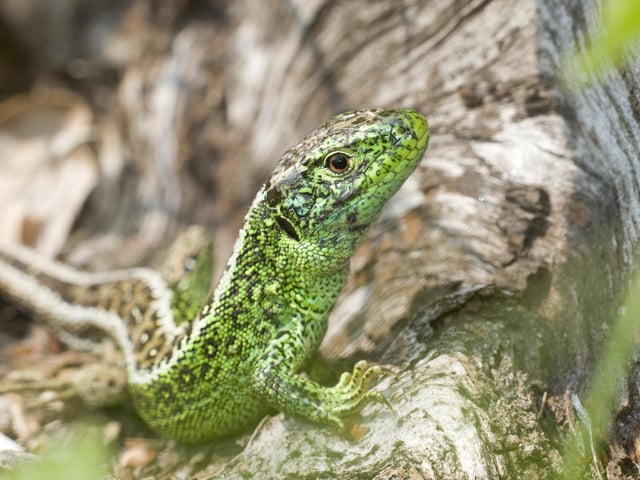
11. Heathland conservation
A £2m initiative called Heathlands Reunited successfully conserved and enhanced 23,825 hectares of lowland heath – which is a reptile-rich habitat as rare as the rainforest. An independent scientific assessment revealed that the initiative has been “significant” in restoring the ecological condition of the habitat. Through various partnerships, the National Park’s small heathland team continues to help protect these wildlife oases, which are as rare as the rainforest and make up just one per cent of the National Park. Some of the heathland sites have 12 of the UK’s 13 native reptile and amphibian species, such as the adder, smooth snake, Natterjack toad and sand lizard, and are also vital havens for the Dartford warbler and nightjar. Photo: D Middleton
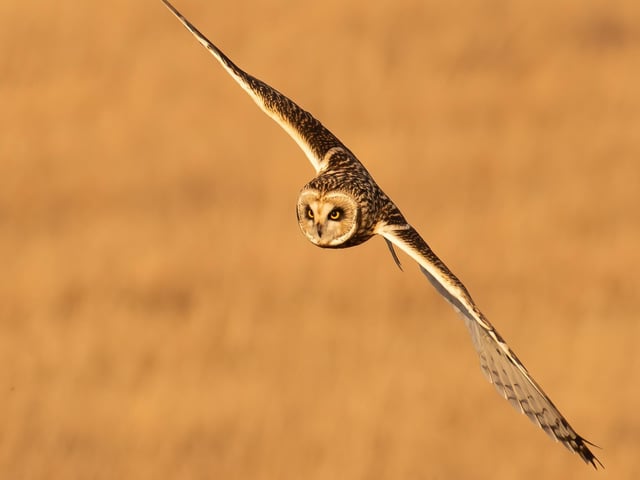
12. Securing the future of Seven Sisters Country Park
In 2021 the National Park Authority took over Seven Sisters Country Park, ensuring 280 hectares of chalk cliffs, meandering river valley and open chalk grassland remains in public ownership. The green shoots of nature recovery are being seen at the country park, thanks to more investment and careful landscape management, including the introduction of Sussex Breed cattle and Shetland ponies. The recovery has seen the return of species such as the short-eared owl, starlings and large flocks of dunlin, as well as swathes of colourful wildflower meadows with blue butterflies such as the Adonis blue. Two dew ponds have also been restored and are attracting a range of invertebrates and birds. Photo: Peter Brooks