
Chichester MP calls for phosphate limits to protect River Lavant

Chichester MP Jess Brown-Fuller has called on the Environment Agency to introduce enforceable phosphate limits at a wastewater treatment works following concerns about pollution in the River Lavant.
The Chichester MP visited the river to meet volunteer citizen scientists and staff from the Western Sussex Rivers Trust, who monitor water quality downstream of Southern Water’s Lavant Wastewater Treatment Works.
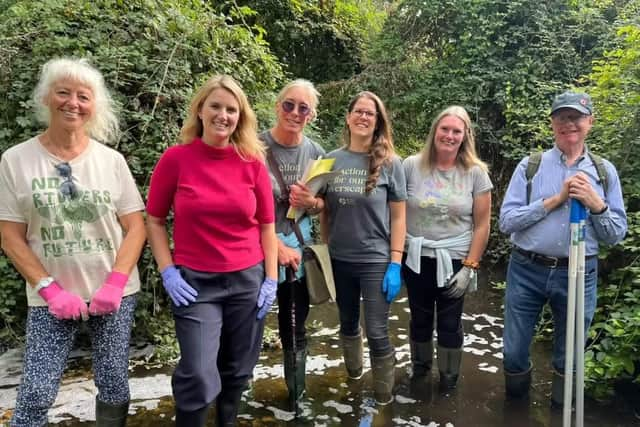

During the visit, the MP heard about the trust’s ongoing monitoring of phosphate levels and concerns about the impact of wastewater discharges on the health of the chalk stream.
The treatment works currently has no phosphate limit set by the Environment Agency.
The trust is continuing discussions with Southern Water about the need to significantly reduce phosphate levels and hopes to trigger a review of the works’ environmental permit, potentially resulting in a new limit being introduced.
Following the visit, the Chichester MP tabled a parliamentary motion highlighting the global significance of chalk streams and the threat poor water quality poses to their ecosystems.
The motion also raises concerns about the condition of Chichester Harbour, into which the River Lavant flows.
Ms Fuller-Brown said: "It was incredibly valuable to return to the River Lavant to hear directly from citizen scientists about the work that goes into monitoring its health. The River Lavant is a precious chalk stream, found almost nowhere else in the world, and it deserves far better protection than it is currently getting.
“I'll continue to back the Trust's work and push the Environment Agency to introduce a proper phosphate limit for this stretch of the river."
A Southern Water spokesperson said the company was working with the Environment Agency and the rivers trust to explore ways of removing phosphate in the future.
The spokesperson said: "While the Environment Agency has not set a phosphate limit at Lavant, we are working with the agency and West Sussex Rivers Trust to explore potential methods to remove it in future. For now, we continue to make improvements that will help reduce nutrient levels and support the long-term health of the Lavant.
"We have already invested significantly at Lavant Wastewater Treatment Works, including the creation of a wetland and a new storm tank, and we’ll be making further improvements to reduce nitrogen and ammonia levels in treated wastewater, helping to improve water quality in the river. In addition, we're sealing sections of the sewer network across the Lavant Valley to reduce groundwater entering the system, improving network resilience and helping to reduce the risk of storm overflows."
An Environment Agency spokesperson said phosphate pollution could come from wastewater treatment works, storm overflows, farming and runoff from towns and roads.
The spokesperson said: "We know how much the River Lavant matters to people living nearby, and we want to protect and improve it for the future.
"Phosphate pollution in the river can come from several sources, including wastewater treatment works, storm overflows, farming, and runoff from towns and roads.
"We've told Southern Water to investigate how much their wastewater discharges are contributing to phosphate pollution. Once we've seen the results, we'll decide whether further action is needed, such as changing their permits or setting new limits on phosphate levels."