
First UK sighting of rare fungus at nature reserve near Chichester
When an enthusiast stumbled across a type of fungus she hadn’t seen before at a nature reserve near Chichester, she never dreamed it would be the first ever UK sighting.
On a visit to Kingley Vale’s ancient yew woodland, Liz Frost found a tiny tongue-shaped fungus which turned out to be Blue-Based Earthtongue, also known as Microglossum cyanobasis. It is only the second recorded sighting in Europe and comes almost 20 years after a similar discovery in Spain.
Liz, from Sussex, said: “I was so excited to stumble upon this extraordinary tiny, delicate tongue shaped fungus while exploring at Kingley Vale National Nature Reserve.
“Little did I know, I had just made the first ever UK sighting of the Blue-Based Earthtongue.”
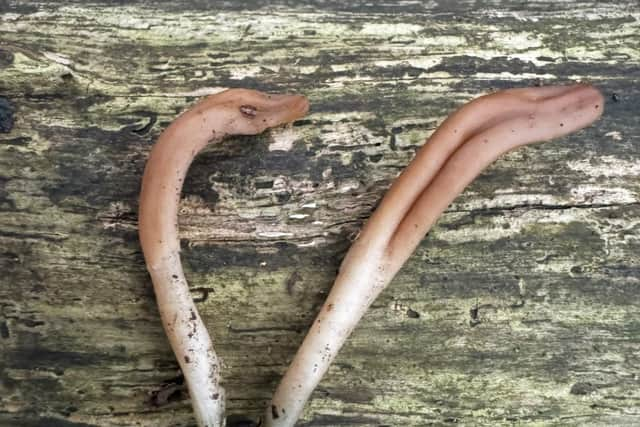

The fungus is hard to spot. It’s small, well camouflaged, and easy to miss. It’s about 45-55mm tall with delicate, fragile stems. What makes this species stand out is its subtle bluish-green coloration, especially near the base. This tint is quite unusual among fungi and helps experts distinguish it from close relatives. The species partly gets its name from cyanobasis, meaning blue base.
It was identified with support from the British Mycological Society and confirmed via DNA sequencing.
This exciting find serves as a reminder that these protected spaces still hold secrets, and that careful stewardship of the natural environment continues to yield extraordinary results.
Rachel Guy, Kingley Vale National Nature Reserve Manager, Natural England said: “The discovery of the Earthtongue fungus shows off high-quality habitats and highlights the value of our 224 National Nature Reserves in England. These special places of exceptional ecological value are a credit to everyone who looks after them.
“The presence of the fungus signals undisturbed, nutrient poor grasslands and long-established woodland soils. These environments are becoming increasingly rare due to fertilisation, drainage, ploughing, and land-use change.”
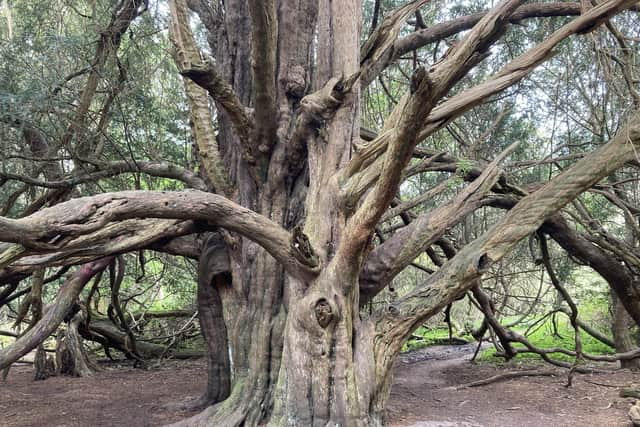
The reserve sits within the South Downs National Park and contains one of the finest ancient yew forests in Europe, with trees estimated to be at least 500 years old.
The reserve is open to the public. Livestock graze the site year-round, so visitors are asked to always keep dogs on a lead.