
Letter to the editor: Use it or lose it!
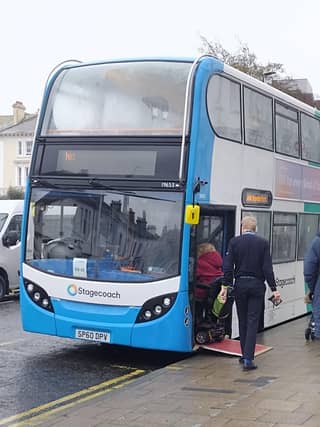

Why choosing the bus now can protect local routes tomorrow. Next time you see a bus glide past with a handful of seats empty, it’s easy to shrug and think: someone else will keep that route going. But the reality is simpler—and tougher. With government subsidies reduced, many operators and councils are being forced to cut services. Fewer journeys then mean fewer passengers, and that can trigger more cuts. It’s a spiral none of us can afford. In the last weeks we have seen plans passed to cut bus services in East Sussex, reduced frequencies and cuts to evening services.
What’s really at stake
Buses aren’t a “nice to have”. For many communities they’re the connection between home and work, school and college, GP appointments, shops, friends and family. When services are reduced, it doesn’t just mean a longer wait—it can mean:
- People turning down jobs or shifts because the timetable no longer works.
- More missed appointments and more isolation—especially for older residents and young people.
- Extra cars on the road, adding congestion and making town centres less pleasant.
- Rural and evening routes becoming “non-viable” and disappearing first.
Use it or lose it: how cuts happen
Like it or not, services are often judged by the numbers: ticket revenue, passenger counts and reliability data. When fewer people ride—especially off-peak or in the evenings—it becomes harder to justify keeping that journey on the timetable. When a route is trimmed back, even more people stop using it because it’s less convenient. The end result is predictable: what was once an hourly bus becomes two a day… and then none at all.
Why choosing the bus makes sense
- Keep your options open: regular use helps protect routes, times and stops—particularly quieter services that are easiest to cut.
- Save money in more places than one: fuel, parking, wear-and-tear, and the hidden cost of “just popping out” by car add up quickly.
- Win back time: on the bus you can read, plan your day, message family, or simply switch off—without watching for parking spaces.
- Less congestion, cleaner air: every full bus can remove multiple cars from the road, easing town-centre traffic and improving air quality.
- Fairer access: a strong bus network supports people who don’t drive—young people, older residents, and anyone priced out of running a car.
Next time, before you drive off in your cars, just think, could I use the bus this time?
David Everson
(Chair: Eastbourne Area Bus User Group EABUG)