
On the Grapevine: Albariño: a tale of two hemispheres
There are few grape varieties as intrinsically tied to the Atlantic Ocean as Albariño. With its saline kiss, crisp minerality, and bright citrus-fruited freshness, this white variety speaks vividly of maritime climates — and no two regions express it more intriguingly than north-west Spain and New Zealand.
Albariño has long been the darling of Galicia’s Rías Baixas, the undulating, verdant wine region of far north-west Spain, flanked by mist, granite, and cool Atlantic breezes.
Here, the grape has found its spiritual home, thriving in sandy, granitic soils that lend a flinty texture and complexity.
But in the last decade, Albariño has taken root some 20,000 kilometres away, in the coastal vineyards of New Zealand. And while the grape’s DNA remains unchanged, the wines produced are quite distinctive.

The region’s cool, humid climate and its proximity to the ocean, shape wines that are poised and structured, with bracing acidity and a whisper of sea spray.
The classic Rías Baixas Albariño offers notes of green apple, lime zest, white peach, and occasionally a bitter almond nuance.
Texturally, these wines are often slightly waxy, even saline, with a persistent finish and moderate alcohol level, often around 12.5%.
Across the world, New Zealand's vintners have embraced Albariño with characteristic enthusiasm.
The grape has found a promising new home in regions such as Gisborne, Hawke’s Bay, and Marlborough, where the climate is sunnier, drier, and more consistently warm during the growing season.
As a result, New Zealand Albariño tends to be more overtly aromatic, with a juicier palate.
The typical New Zealand expression boasts ripe stone fruit — apricot, nectarine, even mango in warmer years — alongside floral notes and a less pronounced mineral edge.
The acidity, while still vibrant, is more rounded, and the wines show a riper, more generous fruit profile compared to their Galician counterparts.
Alcohol levels often sit slightly higher, around 13% or even 14%, reflecting the greater warmth and solar exposure.
The contrast between the two styles could be likened to the difference between a Celtic lament and a Pacific sunrise.
The Spanish version is contemplative and restrained, built on mineral tension and quiet intensity.
New Zealand’s take is more exuberant — a burst of brightness in the glass, easier perhaps on the senses but no less compelling in quality.
In an era of climate uncertainty, Albariño offers remarkable adaptability. Its thick skins resist mildew in humid climates, while its ability to retain acidity in warmer zones makes it ideal for regions facing rising temperatures.
It's little wonder that plantings are increasing not just in New Zealand but also in California, Oregon, and even Australia.
Here are four recommendations of wines from this delicious grape, just in time for Albariño Day on 1st August.
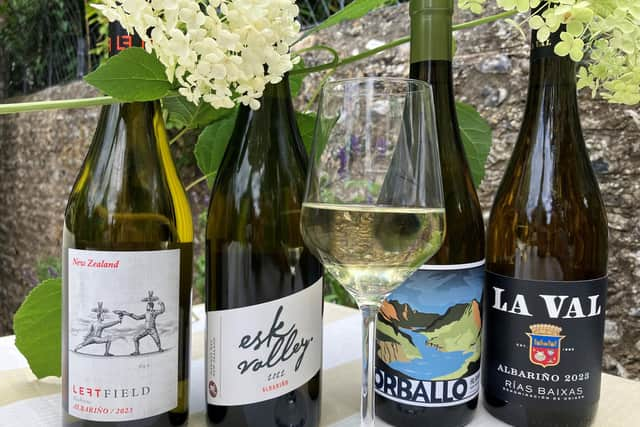
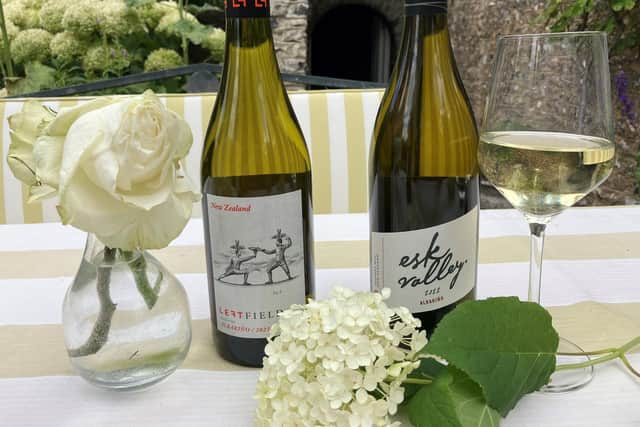
Leftfield Albariño 2023 is from Gisborne in New Zealand.
Aromatic, juicy yellow peach and cantaloupe melon, with balanced acidity and fresh fruit finish. £10 from Tesco.
Esk Valley Artisanal 2022 hoves from Hawkes Bay in NZ, a typical story of old-world tradition in new world terroir.
Enhanced flavours through low yields and lees ageing, aromatic with lime, apricot, peach and tropical fruit hints. £14.60 from independents such as Woodwinters Wines.
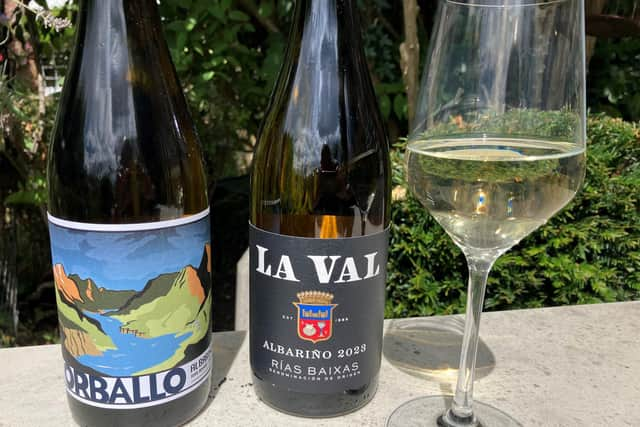
Moving back to the variety’s spiritual home, Bodegas La Val in Pontevedra is relatively new, but makes impressively intense albariño wines with great typicity.
La Val Albariño Rias Baixas 2023 is fabulously fresh and aromatic, with citrus and stone fruit character. £18 from Waitrose (on offer currently).
Orballo 2023 is an even more intense and expressive wine from La Val, enhanced by cold maceration and lees ageing. £17.50 from ND John Wine Merchants, Noble Green Wines and others.