
Sussex Green Living: Growing with children: learning from the garden, together
By Marianne Lindfield. Children’s Gardening Week arrives just as May tips into June. For many families it’s half term, a time when the pace softens and we can turn our attention to the garden, the hedgerows and what’s been quietly growing around us. If you’ve taken part in Plantlife’s No Mow May campaign, this is the moment to see what’s flourished in the wild patches left unmown. Perhaps you’ve spotted buttercups, self-heal or oxeye daisies, or simply noticed more insects darting through the grass.
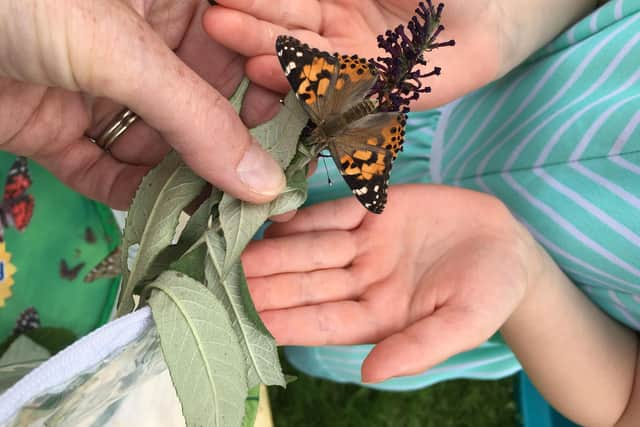
Time in the garden with children often unfolds naturally. A slow wander through the grass or a pause by a flowerbed can lead to all sorts of unexpected discoveries. One year, we raised caterpillars in a netted enclosure, making sure we had the right plants ready in the garden when it was time to let them go. The children were fascinated by every stage. It helped them connect what they saw in books with what was growing in front of them.
Gardening like this can be a gentle way to introduce ideas that run through nature. Cycles, patience and mutual benefit. As part of Sussex Green Living’s Pollination Education Station project, we are encouraging people to think not just about planting flowers, but about designing spaces that support insects and people at the same time. The idea draws from permaculture, where each plant has several functions. Take calendula, it attracts hoverflies which help keep aphids down, and the petals are edible, adding colour and flavour to salads or teas. Borage brings bees and edible blue flowers, and you can use both to make a beautiful flower salad. Chives offer nectar for butterflies and flavour for cooking.
If you’re looking for activities during Children’s Gardening Week, they don’t need to be complicated. You might plant a few seeds together, sunflowers are still a good bet at this time of year. Try making a bee water station with a shallow dish and some pebbles, or gather fallen twigs and stems to build a small insect home. Sketching pollinators, counting how many different bugs you can spot, or even just lying on your back watching the clouds from the lawn, these are all ways of being in the garden that stay with children long after the moment ends.

To find out more about the Pollination Education Station trail or support a station in your community, visit www.sussexgreenliving.org.uk/renature.
Children’s Gardening Week: 24 May – 1 June 2025