
De La Warr Pavilion works receive planning consent
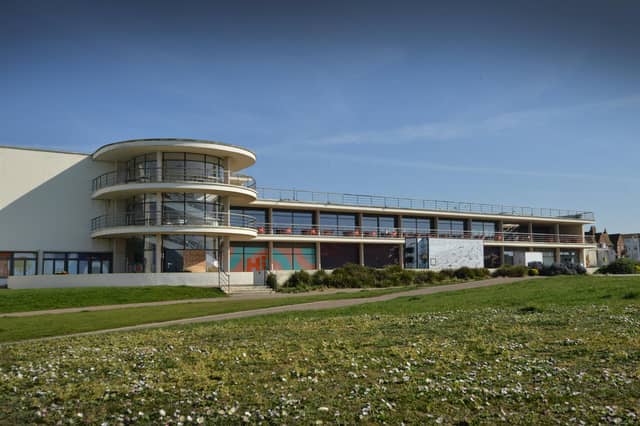

Councillors have granted permission for a programme of major works at the De La Warr Pavilion.
On October 9, Rother District Council’s planning committee unanimously approved planning permission and listed building consent for repair and refurbishment works at the Grade I Listed venue.
The committee heard from Stewart Drew, chief executive of De La Warr Pavilion Charitable Trust; the organisation which, alongside the council, has been the applicant behind the proposals.
Mr Drew said: “This phased restoration project will enable significant improvements to the De La Warr Pavilion. It will allow us to undertake essential repairs and also to improve the operation and viability of the pavilion, as well as providing enhanced accessibility and new facilities to widen education and outreach programmes.
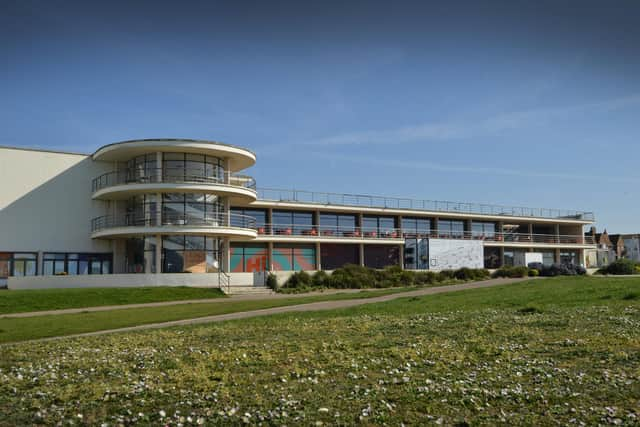
“The proposed development has been carefully designed and led by our architects, Haworth Tomkins, who have significant experience in working with sensitive listed buildings, such as the De La Warr Pavilion.
“Our proposals are sensitive to the heritage significance of the building and any harm to the building’s significance as a result of the proposals has been minimised to ensure our proposals have less than substantial harm. As the officers’ report notes, these impacts are outweighed by the substantial public benefits that will be delivered.”
The committee heard how the works would involve a “comprehensive refurbishment” of the auditorium, which Mr Drew said would “increase access and vastly improve the audience experience”.
Other works would be expected to include: a roof replacement, solar panels, internal refurbishment, replacement of non-original windows and doors, and enhancements to the main entrance, which include new landscaping and accessibility features.
An existing single-storey extension to the south-west of the building would also be demolished and replaced with a new structure.
In a report, council planning officers said the proposals would result in some “less than substantial” heritage harms, but concluded these to be “comprehensively” outweighed by the scheme’s benefits.
They noted how this view was shared by Historic England, which had been involved in extensive consultations with both applicants. The heritage body had conditionally supported the applications, saying the works could “restore the building to its former glory and provide it with a long-term sustainable future” as long as the project is “executed to a high standard”.
The Twentieth Century Society, an architectural preservation campaign group, said the proposals were “sensitive and sorely needed”.
The group had also called on the council to fully explore whether the auditorium’s fixed balcony seating could be retained before granting listed building consent. Officers said this matter would be addressed via conditions.