
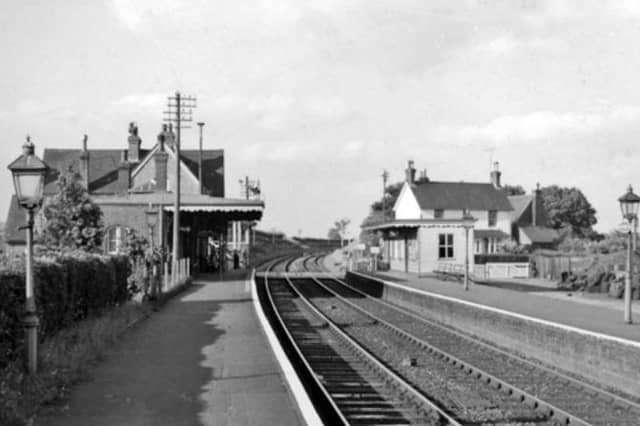

Some beautiful looking stations have been rep-purposed as shops or homes, some are abandoned and derelict and the sites of others remain only as a patch of countryside where you would never know that a station existed.
In some cases whole lines have disappeared, such as the Cuckoo line, which ran from Polegate to Uckfield and the line from Bexhill West Station that ran through Bodiam and then into Kent.
Britain’s railways came as a result of the industrial revolution and helped to create the wealth of the country. The first steam railway locomotive which was introduced by Richard Trevithick in 1804.
During the 1960’s, the increasing number of motor cars saw people looking toward the roads rather than the railway. A landmark report by then head of British Rail, Richard Beeching, led to the closure of many stations and whole branch lines in the 60s. Many architectural treasures, and the memories they contained, have been lost forever.
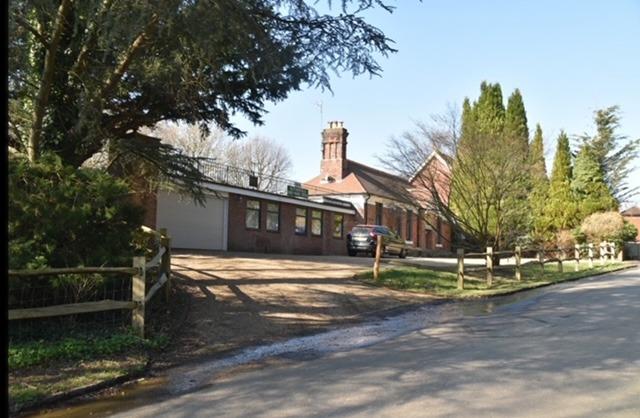
17. Rotherfield and Mark Cross railway station
Rotherfield and Mark Cross (also Rotherfield) is the name of a closed station on the Eridge - Heathfield - Polegate railway (the Cuckoo Line) in East Sussex. The station was built by London, Brighton and South Coast Railway in 1880 and closed with the line in 1965. The station building is still standing, and is in use as a private house. Photo: supplied
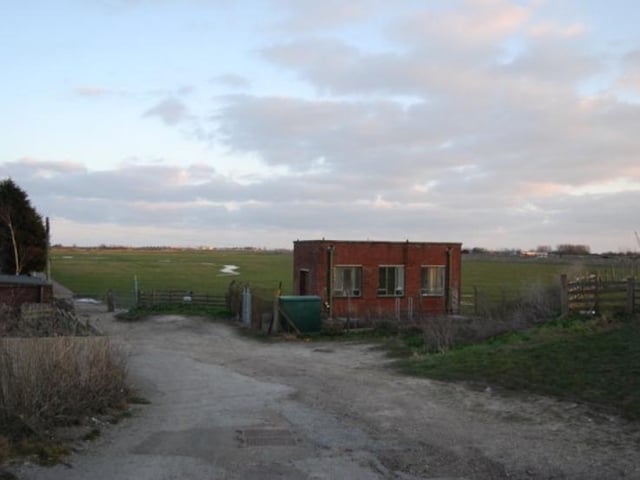
18. Rye railway station (Rye and Camber Tramway)
Rye railway station was a terminal station on the Rye and Camber Tramway in East Sussex, connecting Rye to Camber and opened in 1895.. Although the station was close to the Ashford – Hastings line (now the Marshlink Line), it did not connect to it or have direct access to the main Rye railway station. It was sited immediately east of the River Rother outside the town, next to the Guldeford Road (now the A259). Increasing competition of bus services led to the line's decline and the station closed in 1939 Photo: supplied
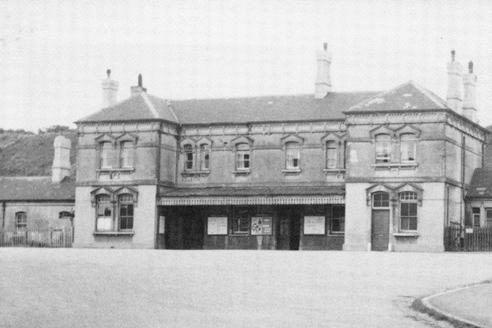
19. St Leonards West Marina railway station
St Leonards West Marina is a disused railway station in the West St Leonards area of the borough of Hastings, East Sussex. Opened by the Brighton, Lewes and Hastings Railway in 1846 as part of what became the East Coastway Line, it was the first permanent station to serve the area and became part of a feud between two rival railway companies over access to nearby Hastings. Although ultimately inconvenient for local services, the station became an important goods railhead and the location of a motive power depot for locomotives working express services to London. The station was closed in 1967 and subsequently demolished. Photo: supplied
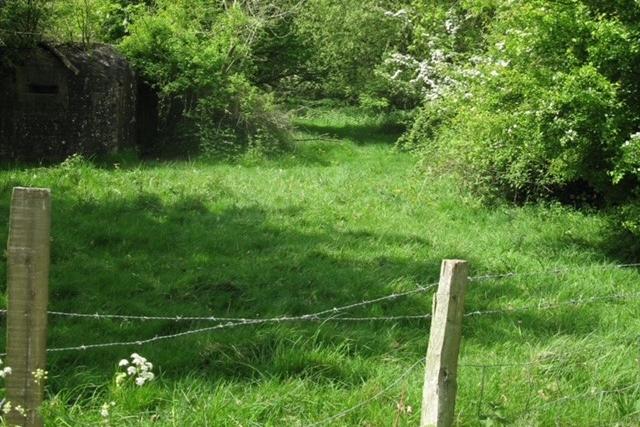
20. Salehurst Halt
Salehurst Halt was a halt station on the Kent and East Sussex Railway which served the village of Salehurst, near Robertsbridge, which opened in 1903. The station was reached by a footpath leading south from the village church in Salehurst. Closed in 1954, Salehurst Halt may yet see trains again as the Rother Valley Railway, a preservation society, is proposing to reopen the line from Robertsbridge to Bodiam, including the line through the halt. Photo: supplied