
New study finds 'disturbing chemical cocktail' in the waters of Chichester Harbour
Chichester Harbour is home to a dangerous and ‘disturbing’ cocktail of chemicals, according to a new study published by the Clean Harbours Partnership.
The study, launched as part of Project Spotlight, saw environmental researchers from Brunel University London, the University of Portsmouth and Imperial College London working alongside volunteers to learn more about contamination to coastal environments.
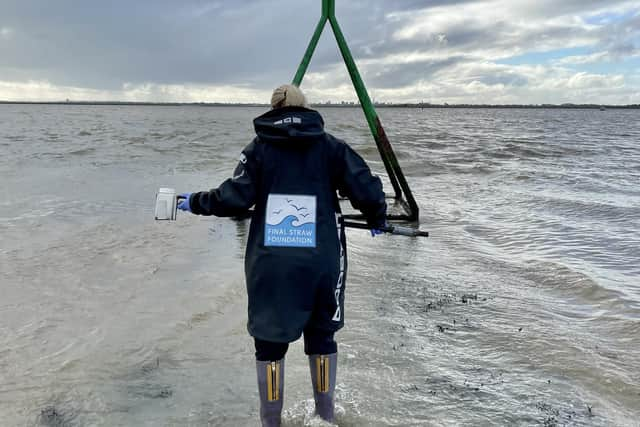

They said their findings from two south coast harbours – Chichester and Langstone – raised a number of red flags about the health of marine ecosystems and the human activity driving their pollution.
Investigating samples taken from both harbours, researchers found 105 different chemicals in seawater, seaweed, and shellfish samples. These included pharmaceuticals, pesticides, and even illegal drugs.
‘Particularly troubling’ according to the researchers is the fact that these substances spiked 100 times after sewage was discharged into the harbours during wet weather events.
“CSO discharges were an obvious source of chemical pollution in these waters,” explained Dr Thomas Miller of Brunel University, who led the study.
CSO discharges are typically released during storms, and often involve untreated sewage. It’s been a source of controversy for companies like Southern Water, who been fined millions over the last few years for illegally discharging sewage into the sea and bodies of coastal water.
But Dr Nick Mills, director of environment and innovation at Southern Water said the company is working hard to improve its environmental track record.
"Many factors affect water quality beyond the use of storm overflows, including run-off from highways and agriculture, waste from houseboats and maritime traffic. That is why partnerships with conservationists, farmers, councils and charities are so important in finding the right way forward – no more so than in Langstone and Chichester Harbours,” he explained.
“Tackling the presence of these chemicals is a challenge for society as a whole. While we are investing heavily in cutting storm overflows, and are removing more and more contaminants through wastewater treatment, the most sustainable solution is to meet the problem at source by changing legislation to restrict or ban certain chemicals and keep them out of pipes in the first place.”
Among the 105 chemicals found as part of Project Searchlight, 67 were pharmaceutical drugs, 29 were pesticides, including some that have been banned for more than a decade, and 9 were recreational drugs.
The pollutants were detected in 339 samples taken from 21 locations across both harbours, all of which are designated Sites of Special Scientific Interest (SSSIs). Sampling by our fantastic volunteer citizen scientists took place in spring and autumn 2022, with autumn rains triggering the highest pollution levels.
The Clean Harbours Partnership’s Rob Bailey said: “It’s concerning to see such a large cocktail of chemicals being detected—and even more worrying that their effects are still largely unknown.”
One of the most concerning substances researchers found was imidacloprid, an insecticide commonly used in flea treatments for pets. They said its presence in significant amounts suggests household runoff could be a potent source of contamination.
“Out of so many chemicals detected, the presence of pet tick and flea treatments in the harbours was especially concerning,” said Dr Leon Barron from Imperial College London. “We urgently need to reassess the practice of blanket preventative treatment of our dogs and cats.”