
South East Water lifts hosepipe ban for Sussex: Ardingly Reservoir now 75 per cent full
South East Water has just announced that its hosepipe ban affecting 1.4 million customers in parts of Kent and Sussex has been lifted.
On Wednesday, November 30, the company said there had been a ‘steady recovery of water resources’ after two months of heavy rainfall.
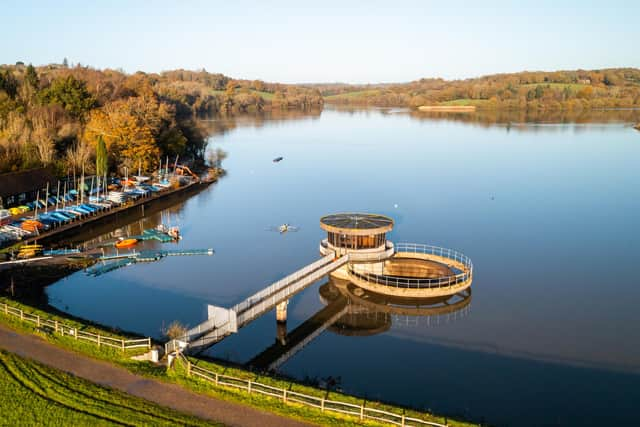
They added that more than 2.5 billion litres of water has run into Ardingly Reservoir, which means it is now almost 75 per cent full.
The company put Temporary Use Bans (TUBs) in place on August 12 after the driest start to summer since 1976.

Lee Dance, head of eater resources for South East Water, said: “In July, the South East received only eight per cent of average rainfall and demand for water from our 1.4 million customers in Kent and Sussex was exceptional. At one point we were producing enough water daily to supply four additional towns the size of Maidstone or Eastbourne. I would like to say thank you to our customers for adhering to the restrictions and finding ways to cut down on their water use at a time that not only were our supplies in reservoirs and in the ground under immense pressure but so was their local environment too.”

He added: “Although there is normally a lag between rainfall and groundwater recovery, with the soils much wetter than they would normally be at this time of year, the rain we have had and are expecting, will more easily seep down and refill the water table allowing levels to start to rising back towards normal levels.”
South East Water said the first week of November saw 107 per cent of the total long term average monthly rainfall. By November 20 there had been almost two months of rainfall in three weeks.
But looking ahead to summer, Lee said people still need to be ‘mindful’ about how much water they use so the sources the company draws water from can recover.
He said that South East Water had also tried new ways of managing its water resources, including a partnership with farmers and growers in priority areas. The aim, he said, is to part-fund rainwater harvesting systems and provide expert advice on using water wisely on the farm.