
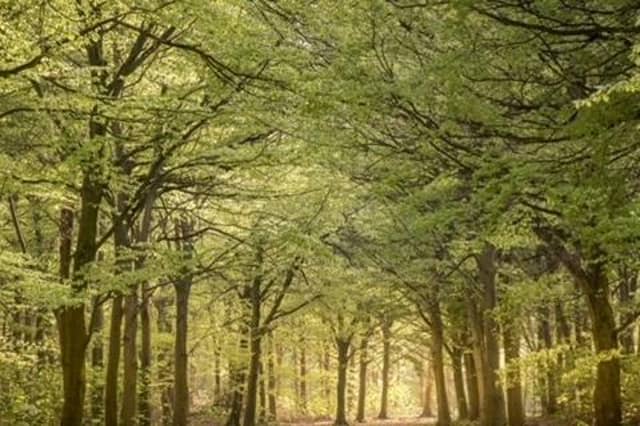

East Sussex is brimming with diverse wildlife and natural beauty, says the Council, describing it as a paradise for nature lovers, especially in autumn when the landscape transforms into a vibrant tapestry of colours.
As a result, the county is home to many hidden gems, perfect for wildlife spotting. From serene woodlands and peaceful wetlands to rugged beaches and coastal cliffs, East Sussex offers plenty of opportunities to experience wildlife in its natural habitat.
Here are the best places to explore, according to the County Council. along with some tips for ensuring your adventures are respectful and sustainable.
1. Rye Harbour Nature Reserve.
Rye Harbour Nature Reserve is a stunning mosaic of coastal habitats that offers wildlife spotting all year round. With miles of paths and five accessible birdwatching hides, you can enjoy the vibrant array of birds and coastal flora, from colourful butterflies to wintering ducks and elusive egrets.
Top Tip: Check the beach after winter storms to find fascinating sea life, including cuttlefish bones, starfish, and mermaid’s purses.
2. Pett Level Beach,
Pett Level is a peaceful seaside village between Rye and Hastings. At low tide, you can spot remnants of ancient trees from a fossilised forest. Additionally, the nearby Pett Pools are home to diverse breeding and overwintering waterfowl.
Top Tip: Don’t miss the chance for rock pooling at low tide to discover crabs, starfish, and other fascinating marine life.
3. Railway Land Wildlife Trust at Lewes.
This hidden oasis in the heart of Lewes sits beside the River Ouse. Here, wildflowers flourish among the remnants of an old railway yard. With habitats including wet woodland, ponds, and the “Heart of Reeds,” it’s ideal for spotting reed warblers, aquatic life, and lush mosses.
Top Tip: Visit after rain to see the Winterbourne stream flowing, bringing fresh water and life to the reserve’s diverse habitats.
4. Chailey Common Nature Reserve.
Chailey Common, one of the largest commons in southern England, is full of heathland. Rare flowers like Marsh Gentian bloom among stretches of heather and gorse. Bird enthusiasts may also spot Stonechats, Nightjars, and Hobbies.
Top tip: Stick to footpaths to minimise disturbance to the wildlife and enjoy sightings of grazing Hebridean sheep and Exmoor ponies.
5. Wilderness Wood.
Wilderness Wood, set in Hadlow Down, thrives with diverse wildlife. Supported by dedicated volunteers, this woodland is home to bats, owls, and vibrant spring wildflowers that attract bees and butterflies.
Top tip: Visit during the early evening for the best chance to see bats and hear the calls of resident owls.
6. Weir Wood Reservoir.
Weir Wood Reservoir, located in Ashdown Forest, offers diverse habitats and stunning views. In addition, the western side is a haven for wildlife watchers, with an accessible bird hide and viewing platform for up-close encounters.
Top tip: If you’re lucky you may see kingfishers, ospreys and herons, and, in winter, flocks of tufted ducks and goldeneye.
7. Friston Forest.
Friston Forest is a family-friendly destination for exploring beautiful beech woodlands. Nestled within the South Downs National Park, it offers scenic trails and sweeping views of the Cuckmere Valley.
Top tip: Take an evening walk to catch a glimpse of the resident badgers.
8. Arlington Reservoir.
Arlington Reservoir is perfect for nature lovers. With over 170 bird species, it’s a haven for birdwatchers. The mix of reeds, woodlands, and grassland creates a rich habitat for birds, butterflies, and small mammals.
Top tip: Keep an eye out for kingfishers, herons, nightingales, dragonflies, foxes, and stoats.
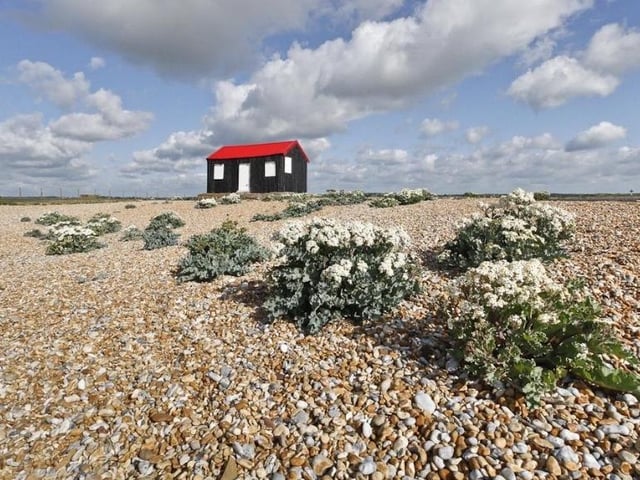
1. Rye Harbour Nature Reserve
Rye Harbour Nature Reserve Photo: supplied
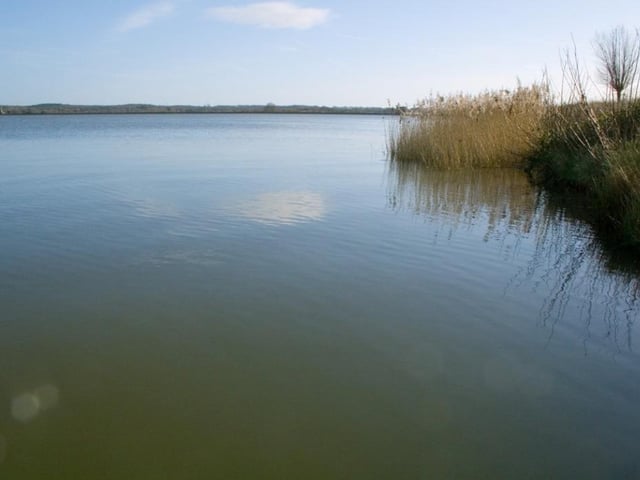
2. Arlington Reservoir
Arlington Reservoir Photo: supplied
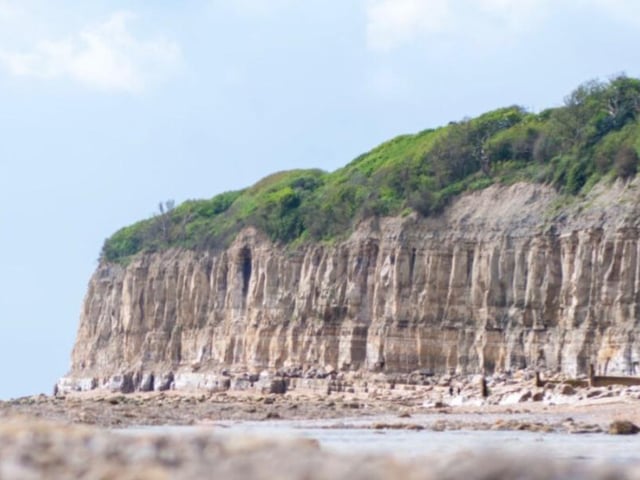
3. Pett Level beach
Pett Level beach Photo: supplied
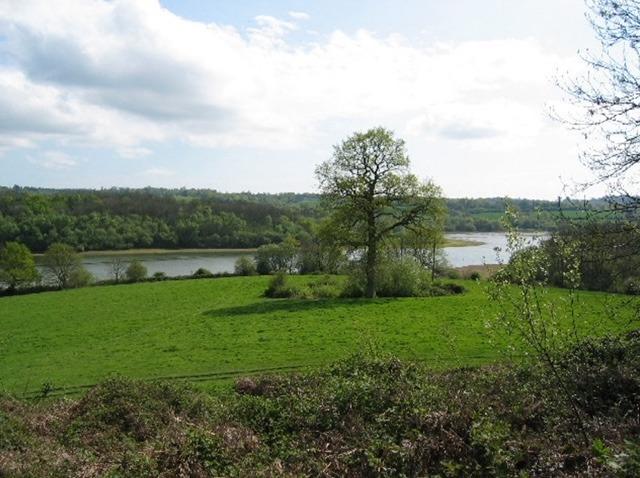
4. Weir Wood Reservoir in the Ashdown Forest
Weir Wood Reservoir in the Ashdown Forest Photo: supplied