
West Sussex is a 'Geohazard hotspot' according to new survey
Scientists working for the British Geological Survey have identified West Sussex as one of several areas in the UK susceptible to ‘geohazards’, Sussex World can report.
The new research considers the occurrence of eight key geohazards relating to natural subsidence, the presence of the ground-gas radon, and the possibility of legacy mining in an area (not including coal mining).
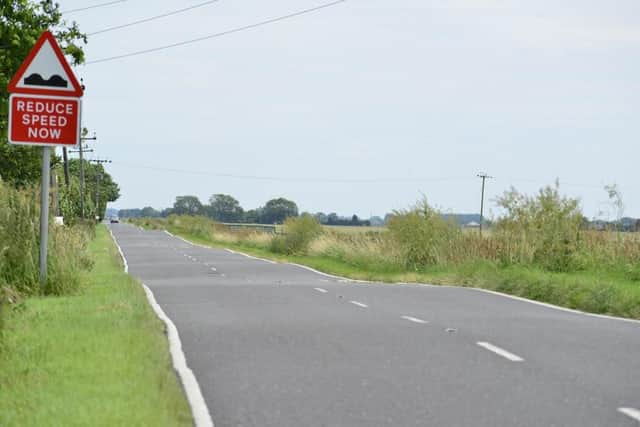

It was named alongside Devon, Dorset, Hampshire, Kent, Surrey and Wiltshire in the south and Cumbria, North Yorkshire and Northumberland in the North as one of the most vulnerable regions in the UK.
Various geological properties and processes are associated with the hazards, but most of them result in some form of ground movement, damaging infrastructure and homes. Collapsible deposits, compressible ground, running sands and shrink–swell subsidence can all result in damage to roads and pathways, breaks in utility pipes and damage to foundations and buildings, while former underground workings and soluble rocks can both cause larger underground cavities that may be prone to collapse, causing more significant and sudden movement and damage. Radon is the exception; it is a natural radioactive gas that can enter buildings from the ground and can increase the risk to human health where there is exposure to high concentrations.
The news comes as figures released by the association of British Insurers show thousands of claims relating to ground movements are made every year, costing millions to remediate. Network Rail, meanwhile, has revealed that landslide damage to the Railway Network costs tens of millions to repair, while Radon gas is linked to 1,100 deaths from lung cancer in the UK every year.
Katy Lee, BGS product portfolio manager made clear that the information can offer huge benefits to planners and developers across the county: "Presenting the data in this generalised manner provides a quick and convenient indication as to which geohazards are most prevalent by region, informing mitigation strategies and the acquisition of higher resolution data. We would encourage anyone interested in our hazard data to contact us or visit our dataset web pages for more information."
For the full data set and to find out more about the geohazards threatening communities all over the UK, visit https://www.bgs.ac.uk/