
Extension plans for historic Northchapel farmhouse rejected by planning inspector
A bid to extend a Grade II–listed 17th-century farmhouse in Northchapel has been rejected after a government planning inspector ruled the proposals would harm both the historic character of the building and the area’s renowned dark skies.
The twin appeals sought planning permission and listed building consent for a replacement single-storey rear extension, a rooflight, and secondary glazing at Gastons Farm, Shillinglee Road. South Downs National Park Authority refused the applications earlier this year, prompting the appeals.
Following a site visit on 4 November, Planning Inspector Stuart Willis dismissed both appeals, concluding that the proposals would cause “a moderate level of less than substantial harm” to the architectural and historic significance of Gaston’s Farmhouse, while also increasing light pollution in a sensitive landscape.
The inspector described the timber-framed farmhouse as a “pleasingly simple” example of a post-medieval rural dwelling, retaining significant original fabric and a legible historic layout. Later additions, dating from the 19th and 20th centuries, were found to have been modest and sympathetic to the original structure.
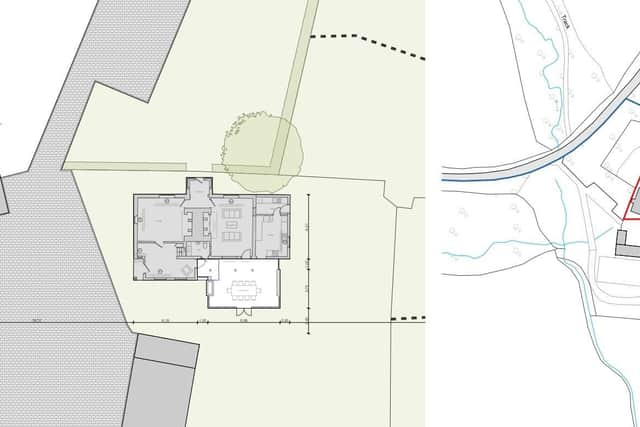

However, the proposed modern extension – featuring a flat roof and large glazed panels – was deemed “bulky,” visually intrusive, and inconsistent with the farmhouse’s traditional character. Willis wrote that its contrasting design would “draw the eye” and create an “alien feature” that disrupted the building’s architectural harmony.
The inspector also raised concerns about a proposed rooflight, noting it would break into an “undisturbed” and historically important roofscape. Uncertainty over how much historic fabric might be lost counted against the scheme.
Additional elements – including decorative hanging tiles not evidenced on the original building, and replacement windows lacking detailed specification – were criticised for potentially altering the building’s authentic appearance.
While some aspects, such as removing modern materials and reinstating breathable traditional finishes, were recognised as beneficial, they were not enough to outweigh the identified harm.
The inspector emphasised the need to protect the South Downs’ highly valued dark skies. Gastons Farm lies in a transition zone between areas of poorer and intrinsically dark night skies.
The proposed extension’s extensive glazing would significantly increase light spill into the surrounding countryside, Willis found, noting that relying on blinds, curtains, or restricted use of the room was “not reasonable or enforceable.” A rooflight would add to this impact.
Although the extension would not increase noise or activity levels, the visual impact on nighttime tranquillity was judged to conflict with several South Downs Local Plan policies.
The inspector acknowledged limited public benefits, such as potential energy efficiency improvements, but concluded these were too minor to outweigh the heritage harm. particularly given that the farmhouse remains fully viable as a residence without the proposed works.