
Coastal bathing water: What Southern Water is doing and why it matters
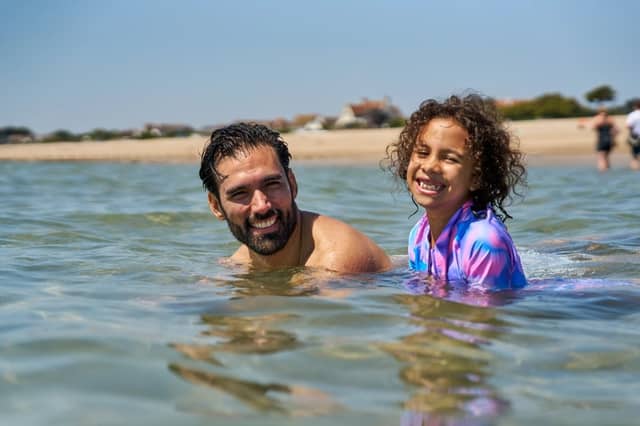

Southern Water’s Director of Environment and Innovation Nick Mills explains the work underway across Sussex to support coastal bathing water.
All of us care deeply about the seas and beaches that stretch across Sussex's coastline.
With 29 designated bathing waters across East and West Sussex, we know Southern Water has an important role to play in improving bathing water quality.
From talking with local communities, I hear that you want to see action and clear information about the work being done in your area and the impact it’s having on local waters.
While we've got more to do, we’ve made marked progress since launching our Turnaround Plan three years ago. Across our wider region, 89% of designated bathing waters are now rated Good or Excellent, up from 84% in 2024, with nine sites improving.
Designated bathing waters are tested during bathing season (May to September). Based on this, water quality is then classified as Excellent, Good, Sufficient or Poor by the Environment Agency. Across East and West Sussex, 25 designated bathing waters are currently classified as Good or Excellent.
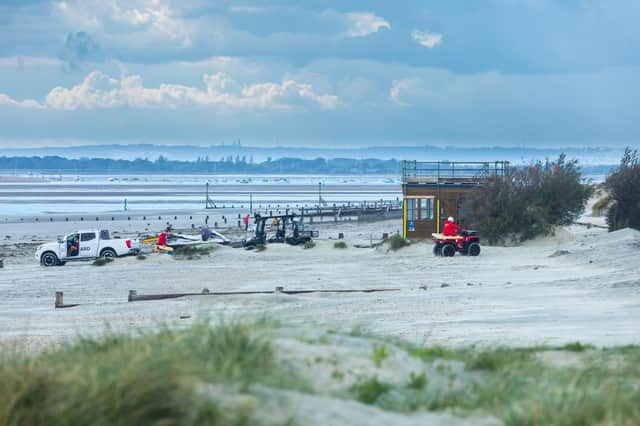
Recent work in Bexhill demonstrates the positive impact that local partnerships can have. Our investigations found contaminated water from Egerton Park Lake entering a nearby surface water drain. Working with Rother District Council, elevated bacteria levels were identified and repairs carried out. The result? This polluted water is no longer reaching the coastline.
We recognise that there’s still plenty of work to do. That's why we're focused on the waters around Hastings, Bexhill, Worthing and Bognor Regis, where targeted Bathing Water Improvement Plans are helping guide our work. The plans include CCTV investigations, sewer rehabilitation, water quality sampling and inspections to identify potential sources of pollution.
Beyond this, we've doubled the size of the team dedicated to identifying pipes that are wrongly connected to surface water drains. These misconnections can have a big impact on local bathing water quality. Over the last year, we've corrected 46 across Sussex, including toilets, sinks, showers, baths and household appliances wrongly connected to the drainage systems.
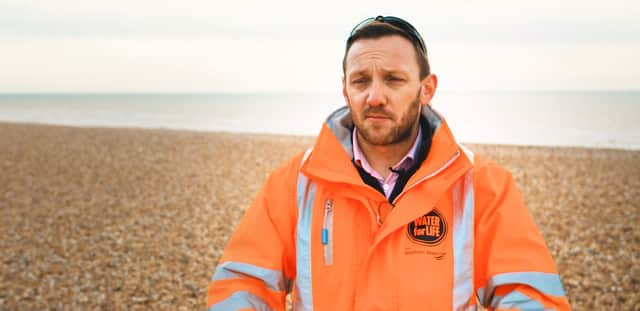
Improving bathing water quality requires action from many organisations. That's why we're working with councils and local communities through initiatives like Yellow Fish. You may have spotted the signs with yellow fish in Goring, Shoreham, Worthing, Bognor, Bexhill or Hastings, raising awareness that only rain should enter surface water drains.
That’s not all in Sussex. We’re also carrying out year-round water quality monitoring, supporting community groups with testing kits, and we’ll soon be trialling real-time monitoring buoys that provide live water quality data.
Many believe every poor water quality result is always linked to storm overflows. While the releases can have an impact, they’re one of several factors. Analysis of 2025 monitoring data found that only 12% of less than satisfactory bathing water samples were taken within three days of a storm overflow release.
While we’re working hard to reduce storm overflow releases, transparency is essential. Our Rivers and Seas Watch service provides near real-time information on coastal and inland outfalls, including alerts when there's been a storm overflow release.
Through our £1.5 billion Clean Rivers and Seas Plan, we prevented around 700 storm overflow releases across our region in the first year alone. Sussex will also see almost £300 million invested between 2025 and 2030 to reduce releases further.
The 2026 bathing water classifications will be published later this year. Read more about the work we're doing in Sussex on our bathing water webpages: www.southernwater.co.uk/bathing-water