
East Sussex therapy dog helping children as schools call visits ‘transformational’
See the latest news from Your World at https://www.sussexexpress.co.uk/your-world
A Pets As Therapy volunteer in East Sussex has described the difference regular visits with their dog can make to children, as new UK-wide research finds therapy dog visits are helping vulnerable pupils feel calmer, more confident and ready to learn.
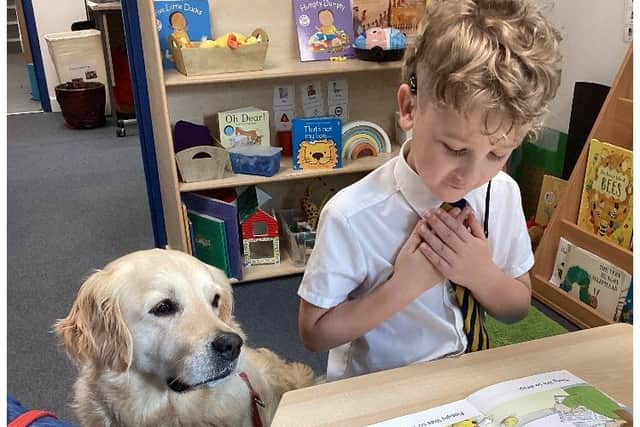

Research carried out in a partnership between Swansea University School of Social Sciences and national charity Pets As Therapy (PAT) found 96% of schools surveyed said visits from PAT Dogs support children dealing with stress or anxiety, while the same proportion reported improvements in children’s happiness and the overall wellbeing of the school.
Teachers described the visits as “transformational” for some of their most vulnerable pupils, including children with Special Educational Needs and Disabilities (SEND), Social, Emotional and Mental Health (SEMH) needs, experiences of trauma and Emotionally Based School Avoidance (EBSA).
The research gathered responses from 317 schools receiving visits from PAT Volunteers and their dogs across the UK. It found 94% reported improved social skills and 81% increased enjoyment of reading.
Schools also reported that dogs can help children regulate their emotions and settle sufficiently to return to lessons. Teachers frequently described pupils, particularly those with SEMH needs, returning to the classroom after spending time with a PAT Dog feeling calmer and ready to learn.
The research also highlights the particular role PAT visits are playing in supporting children with additional needs. More than half (58%) of schools surveyed said that over half of the children spending time with their PAT Dog had SEND.
Professor Helen Lewis from Swansea University’s School of Social Sciences, said: “What is striking is how consistently schools describe the difference these visits can make. Teachers aren’t simply telling us that children enjoy spending time with a dog; they’re reporting children feeling calmer, communicating more confidently and returning to the classroom more ready to learn.
“For some of the most vulnerable pupils, including children with SEND and those struggling with anxiety or attending school, teachers describe that impact as transformational.”
Schools shared examples of PAT Dogs being incorporated into support for pupils who find attending school particularly difficult.
In one case, a pupil with SEMH needs who found coming into school highly distressing met the PAT Dog at the school gate on visit days. Walking with the dog and spending time settling before entering the classroom helped them make a calmer and more successful start to their school day.
Another school reported that a pupil experiencing Emotionally Based School Avoidance began looking forward to PAT visits and gradually became more confident and engaged with school life.
Steven Wibberley, Chief Executive of Pets As Therapy, said: “For a child who is anxious, overwhelmed or struggling simply to walk through the school gates, the quiet companionship of a dog can make an extraordinary difference.
“Our volunteers tell us about children who begin to open up, reluctant readers who can’t wait to read to their PAT Dog and pupils who feel able to return to the classroom calmer and ready to learn.
“But we simply can’t keep up with demand. There are so many schools asking for visits and not enough volunteers to reach them all. We want every school that could benefit to have that opportunity, with the right match between volunteer, dog and school so that visits are positive for everyone – including the dogs.”
The findings reflect strong public support for the use of therapy animals in schools.
Separate independent research commissioned by Pets As Therapy earlier this year found 92% of UK pet owners would support therapy pets being used [HEL1] in schools to help children manage anxiety or stress.
The Censuswide research, conducted among 2,001 UK pet owners, also found 89% believe pets help children learn empathy, kindness and responsibility.
School visits can support children’s emotional and social wellbeing, communication and confidence, while the charity’s Read2Dogs programme gives children the opportunity to practise reading aloud to a calm, accepting listener.
The research found 85% of school visits involve children reading to PAT Dogs, with teachers reporting increased confidence and enjoyment among reluctant and anxious readers.
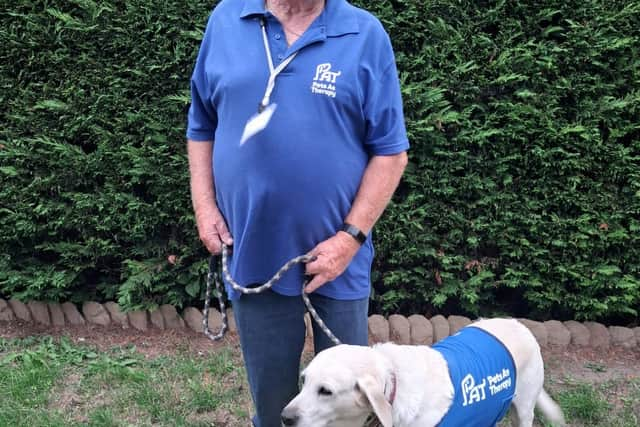
Alan Timms, a Pets As Therapy volunteer in East Sussex, visits Churchwood Primary School and Nursery in Hastings, Glyne Gap Special School and Nursery in Bexhill and Pebsham Primary School and Nursery in Bexhill with Maggi, a Yellow Labrador.
Alan said: “At one school I visit, a little girl was completely scared of dogs. I worked with her over a period of time and now she takes Maggi for walks around the playground. Her parents can now take her to the seafront without the problems she previously had when meeting other dogs.”
Pets As Therapy wants to ensure every school that would benefit from a PAT visit has the opportunity to receive one and is calling for more people to consider volunteering with their pets.
Find out more by visiting: www.petsastherapy.org