
Migration myths, mysteries and marvels - welcome back our winter birds with Anna Allum from RSPB Pulborough Brooks
See the latest news from Your World at https://www.sussexexpress.co.uk/your-world
In the not-too-distant past it was thought that Swallows hibernated in the mud at the bottom of ponds and that Cuckoos transformed into Sparrowhawks for the winter. Now we’re all familiar with the idea of bird migration we might scoff at these old beliefs, but sometimes the truth is just as incredible.


Birds make epic journeys that can cross continents, and at this time of year we’re welcoming back our winter wanderers, who are fleeing the harsher weather of northern and eastern Europe to enjoy the relatively balmy conditions of a Sussex winter.
In the Arun Valley, one of the most numerous of our winter visitors are Wigeon. Admire the lovely autumnal tones - chestnuts, golds, pinks, whites and greys - of these colourful ducks whilst listening to their gentle whistling calls.

These Wigeon could have flown up to 6000 miles to reach us from spring breeding grounds in Siberia. Our internationally important wetlands at RSPB Pulborough Brooks are vital for wintering wildfowl like Wigeon, Pintail, Black-tailed Godwits and Lapwings, with many being site-faithful and returning to us year after year.
More remarkable still is the migration story of our smallest bird - the Goldcrest - who manages a migratory flight of 400 miles across the open water of the North Sea despite weighing the same as 20 pence coin. Surely this tricky journey from northern and easter Europe is too treacherous for such a delicate creature?
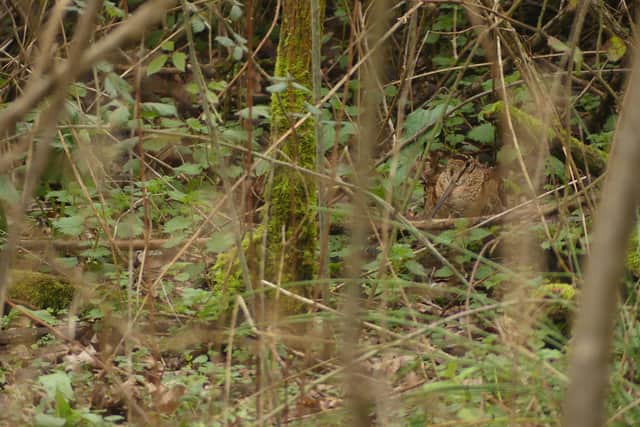
Well, the Goldcrest earned itself a reputation for hitch-hiking, sneaking into the plumage of the Woodcock (which often arrives in the UK at the same time in autumn) and hitching a lift across the sea. They became known as ‘the Woodcock pilot’, and this paints a lovely image for me; a titchy goldcrest with its golden-yellow Mohican-style stripe complete with Biggles-style aviator goggles!