
Brighton researcher supports government report to make mainstream schooling more inclusive for neurodivergent children and young people


University of Brighton doctoral researcher Nikki Smith has supported a major UK Government report examining how best to support neurodivergent children and young people in mainstream education.
The report – produced by the Department for Education’s Neurodivergence Task and Finish Group and chaired by Professor Karen Guldberg – sets out recommendations to help mainstream schools respond more effectively to the needs of neurodivergent pupils. Its findings have helped shape the Government’s 2026 SEND reform: putting children and young people first.
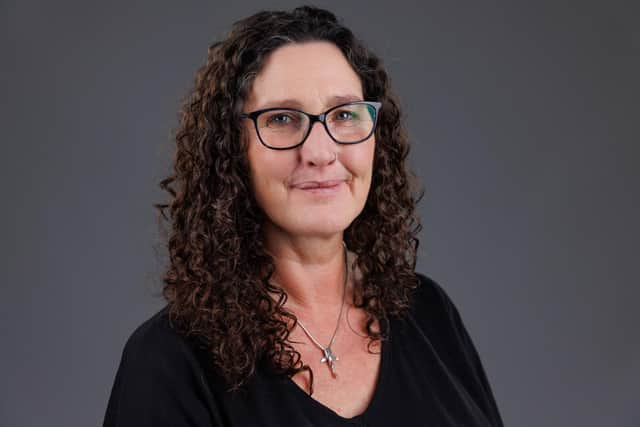
Nikki Smith, a PhD researcher at the University of Brighton’s School of Education, Sport and Health Sciences, supported the evidence-gathering phase during a placement at the Autism Centre for Education and Research at the University of Birmingham.
As part of this work, Nikki consulted with schools, parents, and local health providers across Bristol, North Somerset, and South Gloucestershire, exploring how strengths-and-needs assessments – sometimes described as neurodiversity profiling tools – are being used in real educational settings to identify and support pupils earlier. These approaches aim to provide timely support based on a young person’s individual profile, regardless of whether they have received a formal diagnosis. Her findings contributed to the wider evidence base considered by the Task and Finish Group.
With formal diagnostic pathways often delayed and demand continuing to rise, many schools are exploring these approaches as a way to better understand and respond to pupils’ needs without waiting for diagnosis. The national report reviews emerging evidence from across England, including early years settings and mainstream schools.
Key themes emerging from consultation and pilot activity
Positive impacts reported:
- Safer and more inclusive environments in schools, supported by personalised plans tailored to individual pupils
- Improved understanding and acceptance of neurodivergent pupils among teachers and staff
- Stronger relationships between children, young people, and school staff
- Children feeling heard and understood, leading to increased engagement and a greater sense of belonging
- Parents feeling their child’s needs were recognised and supported
Participants also highlighted potential concerns:
- Some parents worried that assessments could act as a gatekeeper to formal diagnosis, limiting future support in education and work
- Teachers and educational staff – including those working in nursery settings – noted the additional workload and responsibilities involved
- There was tension around language, with medical or deficit-based terminology conflicting with the strengths-focused, person-centred approach preferred by neurodivergent communities
- Participants also raised concerns about systemic underfunding in both education and health services
Recommendations for effective implementation
- Strengths-and-needs assessments should complement, not replace formal diagnoses
- Schools need guidance, training, and specialist support so staff are not solely responsible for assessments
- Language should be person-centred and strengths-based, avoiding deficit-focused terminology
- Parents, carers, and neurodivergent communities should be consulted in the design of support packages and documentation
- Additional investment in early intervention and proactive support could reduce pressure on staff while better meeting pupil needs
Nikki Smith said: “Supporting the research group gave me a valuable opportunity to see how research connects with real experiences in schools and communities. What stood out most was how important it is to listen directly to the children, families and professionals affected by these decisions – not just to hear their views, but to place lived experience at the heart of how support is designed.”
Professor Karen Guldberg said: “I’m incredibly grateful to Nikki for the depth, care, and rigour she brought to this work. Her consultations with schools, families, and local services provided vital insights into how strengths and needs assessments are being used on the ground to support neurodivergent children earlier and more effectively. These findings were an important part of the evidence considered by the Neurodivergence Task and Finish Group, as we worked to refocus the educational system on supporting neurodivergent young people to thrive and succeed.”
Nikki began her PhD at the University of Brighton in 2024 with a supervisory team led by Professor Michael Jopling. Funded by the South Coast Doctoral Training Partnership (SCDTP), her research explores the different dexperiences of autistic young people of any gender in mainstream secondary school, with a strong focus on participatory research – meaning research shaped by the people whose lives it affects. Before entering academia, she spent 15 years working in secondary education as a science teacher, PSHE leader, and autism specialist.
Nikki’s placement was funded through the University of Brighton’s QR fund and the SCDTP, and her work received the 2024–25 SCDTP Impact Prize, recognising its potential to influence policy and practice.
Her work contributes to a wider national evidence base informing current discussions about how best to provide timely and effective support for children with SEND. While strengths-and-needs approaches show promise, the collective research highlights the importance of careful implementation, adequate funding, and collaboration between education, health services, families, and neurodivergent communities.
For Nikki, the central message is simple: policy works best when shaped by the people it affects.