
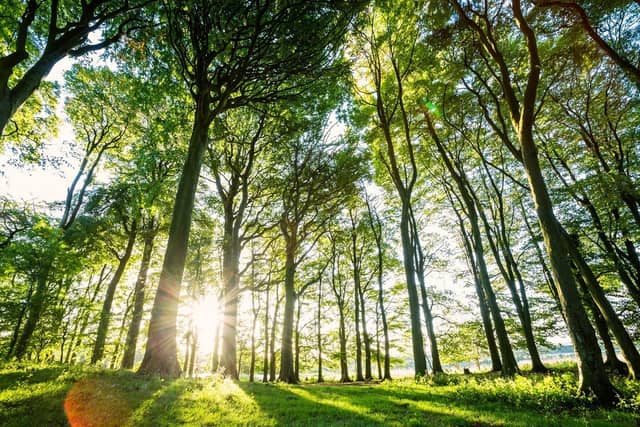

The 87-mile-long South Downs National Park was designated as a haven for nature with some of the rarest habitats in the world – reptile-rich heathlands, chalk grasslands brimming with blue butterflies, wildlife-rich wetlands and woodlands full of bird song.
But, like so much of Britain in the 20th century, nature had been marginalised in some parts, often just about surviving in isolated ‘island’ habitats, leaving some species in danger of local extinction.
The creation of the South Downs National Park has started to turn the tide on that biodiversity loss, with concerted efforts over the past 15 years to create bigger, better and more joined-up habitats where animals and plants can thrive.
As the National Park celebrates its 15th birthday on March 31, 15 biodiversity success stories are being shared.
Jan Knowlson, biodiversity officer for the National Park, said: “Nature gives us everything. The air we breathe, the water we drink, and the food we eat – it’s all dependent on biodiversity.
“The South Downs National Park has some of the rarest wildlife in the UK and is a last bastion for many species, so it’s vital that we protect them and strive to ensure that nature is thriving, rather than merely surviving.
“Through our ReNature campaign and many innovative partnerships, we’ve done a huge amount in the past 15 years to help wildlife and these efforts will continue at great pace. Ultimately, we want nature everywhere, for everyone.
"One of the wonderful things about National Parks is they are places where people and nature can come together.
“Nature recovery doesn’t happen overnight, but we’re seeing the green shoots of recovery.
"Many of us will remember the days when you’d come back from a drive in the country with a windscreen splattered with squashed insects.
If we can get back to those days, we’ll know that nature recovery is really working.”
To find out about the National Park’s ReNature initiative and to donate visit www.southdowns.gov.uk/renature
Take a look through the South Downs National Park’s 15 biodiversity success stories below...
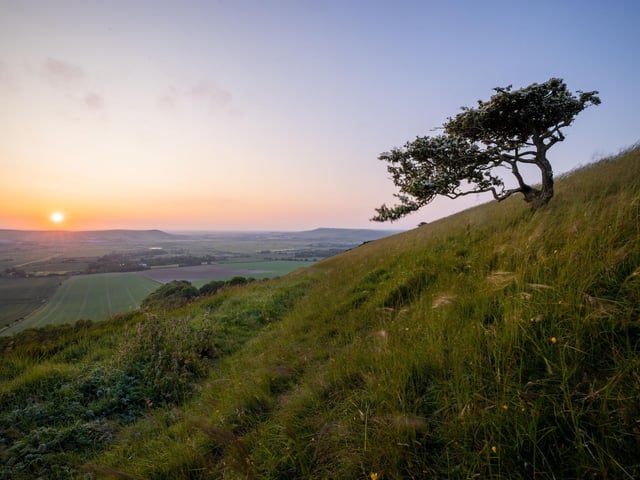
5. Supercharging private investment into nature recovery
Last year the South Downs became the first National Park to launch a Voluntary Biodiversity Credits initiative. The voluntary scheme allows businesses of all sizes to invest in nature recovery and has gained significant interest since its launch last May. Under the voluntary scheme, more than 200 biodiversity units have so far been purchased to help create new habitat. Part of the scheme involves creating a new wildlife haven on the Iford Estate, near Lewes. Over 50 hectares of the Iford Estate – or 80 football pitches – have now been formally dedicated to nature restoration, thanks to two groundbreaking legal agreements with the National Park Authority. It means businesses and individuals can invest in nature for many years to come. Photo: Contributed
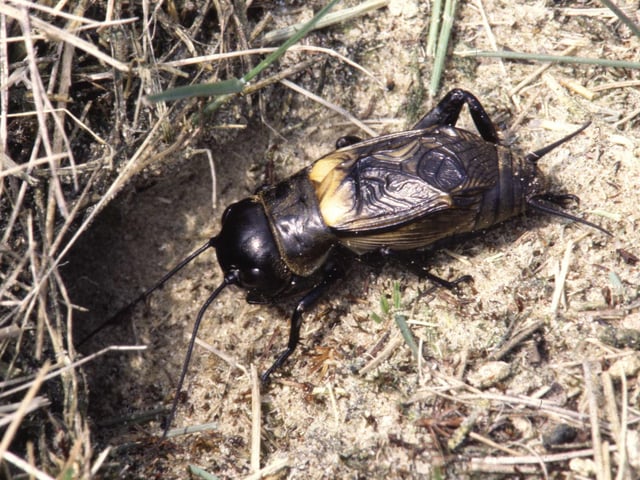
6. Two iconic cricket species
The South Downs remains the last bastion in the UK for the iconic field cricket, whose “cheep, cheep, cheep” is the quintessential sound of summer. Thirty years ago the species was isolated to just one site of 100 field crickets in West Sussex. But a concerted effort, led by volunteers and conservation organisations, has helped to establish six colonies at heathland sites in Sussex, Surrey and Hampshire. Meanwhile, the wart-biter bush cricket has bounced back in the South Downs. One of the UK’s most endangered insects, its quirky name come from the ancient Swedish medical practice of using them to eat skin warts. The cricket was once found across southern England but numbers declined so dramatically that they are now found only in five locations, three in the South Downs. A pioneering project has seen the rare insect reintroduced into new chalk grassland habitat around the Deep Dean Water Treatment Works in East Sussex, thanks to a collaboration between South East Water, Natural England, Buglife, and the Zoological Society of London. Photo: Bruce Middleton
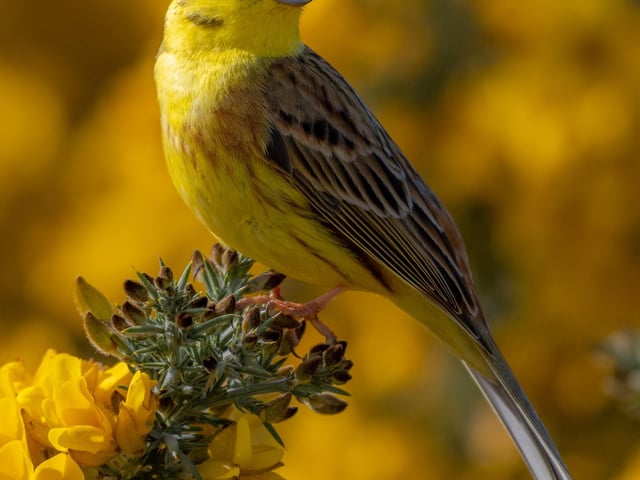
7. Farmland wildlife
Over 70 per cent of the National Park is farmland and a concerted effort has been made to help wildlife, including important farmland bird species such as the grey partridge, lapwing, yellowhammer and skylark. There are now six established Farm Cluster Groups in the National Park, with farmers working together to promote nature-friendly farming, particularly on the edges of farms which are less productive and make great habitats for all sorts of creatures. Under the Farming in Protected Landscape (FiPL) scheme, over 3,600 metres of new hedgerows have been created and several hundred wild bird feeders have been installed at farms across the National Park. More than 4,300 hectares of land is now being managed with regenerative farming techniques, which focus on rejuvenating depleted topsoil to improve its biodiversity and carbon-capturing powers, while also producing high-quality food. Photo: Piers Fearick
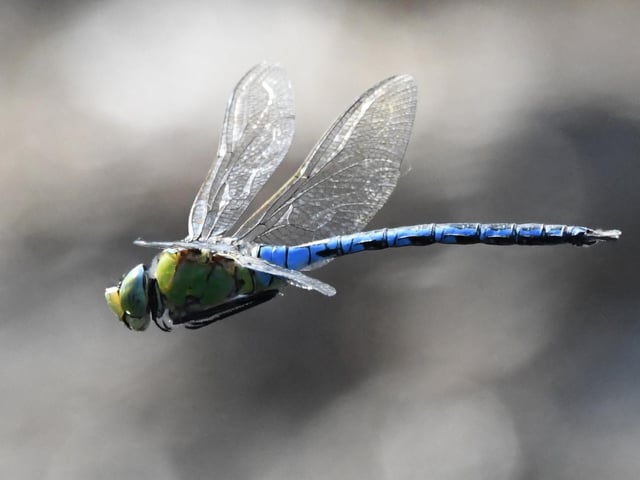
8. Dragonflies
Ten dew ponds have been restored across the National Park to help species such as the iconic dragonfly. Dew ponds are synonymous with the chalk grassland of the South Downs, historically being dug by farmers as a watering hole for livestock and some dating back several hundred years. However, over many decades and due to changes in farming practices, dozens of these wildlife oases have fallen into disrepair or been lost completely. Climate change, with warmer, drier summers, has compounded the problem, meaning these bodies of water are more important than ever in providing refuge and drinking water for animals. The National Park has set a target of restoring 100 of the ponds to help insects, amphibians and birds. Photo: Tim Squire