
Council 'sorry to say goodbye' to trees felled at 'much-loved' Worthing green space

Worthing Borough Council (WBC) said it is 'sorry to say goodbye' to two trees felled to protect residents’ safety.
The council said the trees in Steyne Gardens ‘sadly needed to be felled’ to help ensure the green space remains safe for residents and visitors.
A WBC spokesperson said: “One of the horse chestnut trees had died, while the other was in significant decline, with branches at risk of falling.
“Our arboricultural inspector regularly monitors thousands of trees across Adur and Worthing, assessing their health and condition. Unfortunately, these two trees had significantly deteriorated in recent years after showing clear signs of decline in 2021, thought to be caused by bacterial infection, environmental pressures and leaf-mining moths.
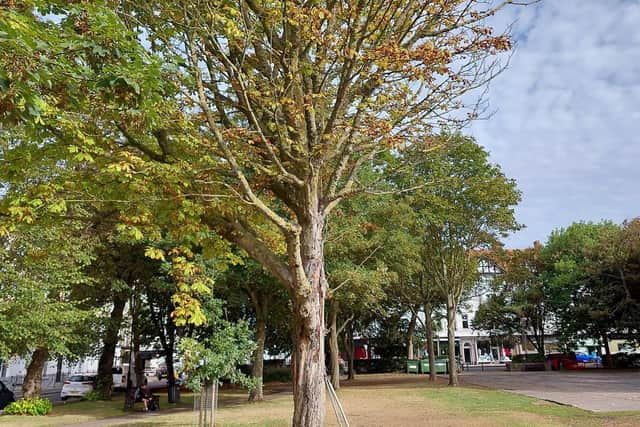

“We’re sorry to say goodbye to these trees, which have been part of Steyne Gardens for many years. We also want to reassure residents that there is no link between the felling of these trees and Hemiko’s upcoming works in Steyne Gardens.
“Hemiko has carefully planned its works to avoid damaging any trees within the gardens. The trees have now been felled following the end of the nesting season, helping to minimise the risk of disturbing any nesting birds.
“We understand that the loss of trees is disappointing, but the decision has been made to protect the safety of everyone who enjoys this much-loved green space.”
WBC also recently announced plans to fell trees affected by ash dieback at Cissbury Fields and The Gallops ‘over the coming weeks’.
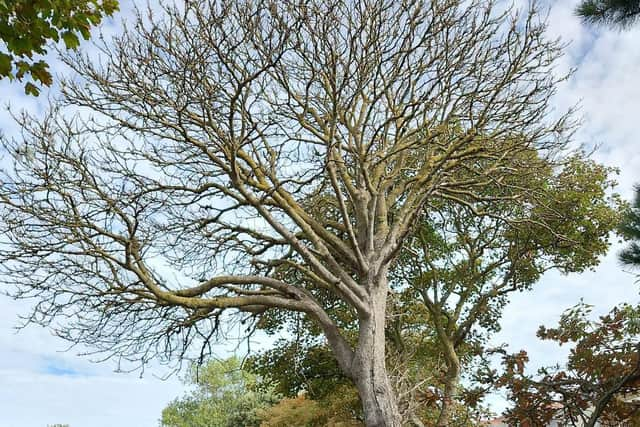
The authority said: “In recent years, we have been removing ash trees affected by ash dieback, a destructive fungal disease that is gradually killing ash across the UK and Europe.
"Our priority has been to remove trees that pose the greatest risk to visitors and keep woodland paths safe, while retaining those showing signs of good health.”
‘Hundreds’ of new trees will reportedly be planted to replace those lost.
WBC added: "The replanting will include a wide variety of species, helping to create more diverse and resilient woodlands that are better able to withstand future diseases and environmental pressures.”