
‘Goatsucker’ bird returns to South Downs
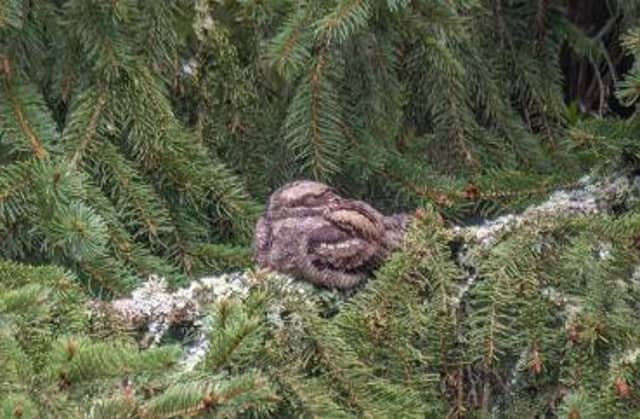

One of Britain’s most elusive birds, the mysterious nightjar, is making a remarkable comeback across the South Downs National Park, thanks to nature recovery efforts and better habitat management.
Once a familiar sight across the South of England, nightjars suffered a steep decline as open woodland and heathland disappeared to farming and development. Between 1972 and 1992, their numbers fell by more than half.
Today, though, there’s a far brighter picture. Conservation work is paying off, and the population is now thought to have doubled in just the past five years. Even compared with last year’s count of 78 birds, the latest figures show a heartening rise, a sign that this species is thriving once again on our local heaths.
Although the birds are incredibly well camouflaged, they have a distinctive churring call. The RSPB has described it as “more alien lifeform than a shy brown bird. It has a mechanical feel, like a strange clockwork toy steadily unwinding, the constant notes gently rising and falling through the half-light.”
Kirsty Murray, engagement ranger for SDNP heathlands, said: “It’s wonderful to hear the nightjars churring away as dusk falls and we’re looking forward to continuing this incredibly positive conservation work alongside local communities and our partners.”
She highlighted the importance of looking after the lowland heaths which were once widespread across the South Downs: “They are actually as rare as the rainforest, supporting some of the UK’s rarest species, so it’s really important we care for the habitats that remain.”
The resurgence of nightjars has been paralleled by revivals in woodlarks and Dartford warblers, which are also showing promising increases in numbers.
Long ago, the birds were reviled as people believed nightjars would sneak up on goats in the dark and drink their milk, leaving the animals sick and their udders ruined. The tale spread across Europe, but, as with many old countryside myths, the truth was far simpler. Nightjars were only ever drawn to livestock because they were hunting the insects that gathered nearby.