
South Downs rewilding project boosts butterfly numbers at beauty spot
A rewilding project at a South Downs National Park beauty spot has helped create a boom in butterfly numbers including two nationally important species spotted at the site for the first time.
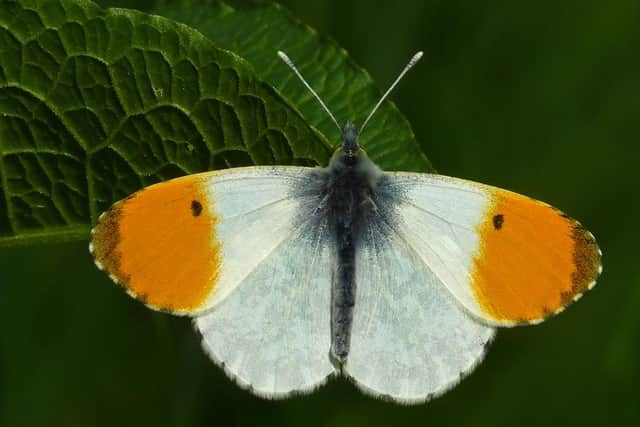
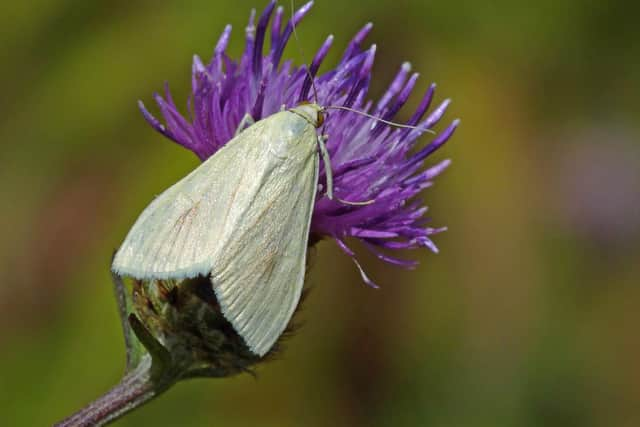
A total of 5,290 individual butterflies from 28 species including the dingy skipper and the UK’s smallest species the small blue have been counted during surveys following the renaturing work at Halnaker Hill Farm near Chichester, West Sussex.
The boost in butterfly numbers follows work at the site famous for its windmill to return 330 acres of previously intensively farmed land into a landscape rich in flora and fauna.
The team at Halnaker Hill Farm have been working with consultants at the South Downs National Park Authority, which is heading a “ReNature” programme to prevent biodiversity loss across 7,700 hectares of land – equivalent to more than 12,000 football pitches.

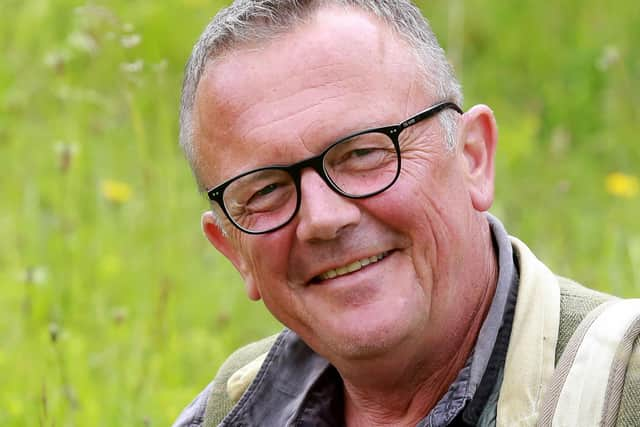
Conservationist Neil Hulme said: “Butterflies are widely recognised as valuable environmental indicators, both for their rapid and sensitive responses to habitat or climatic changes and as representatives for the diversity and responses of other wildlife.
“Where butterflies occur in diversity and numbers, it is highly likely that other aspects of the local fauna and flora are in good shape.
“These data clearly indicate how rapidly and spectacularly the rich mosaic of habitat types at Halnaker Hill Farm has developed, in terms of its ecological value, at a remarkably early stage in the project.”
Nick Heasman, head of natural capital for the South Downs National Park, said that the Halnaker project would deliver more than 850 biodiversity net gain (BNG) units, which can be used by developers, companies and individuals to help address biodiversity loss and meet their environmental obligations.
He added: “The results of this wildlife survey are extraordinary and it’s exciting to see nature bouncing back at this beautiful site.
“It’s been wonderful to work with the team at Halnaker Hill to bring about real, positive change, demonstrating that BNG can make a big difference for nature and this survey proves that.
“Just two years ago this was largely an arable landscape – showing how quickly nature can bounce back, given space, time and love.”
The project is owned by Halnaker Hill Natural Capital (HHNC) which is managed by Chichester-based commercial property developers Kingsbridge.
Greg Lukasiewicz, sales and marketing director at HHNC, said: “The results demonstrate the value of the site as a long-term BNG land bank, with a growing range of species benefiting from the work already under way.
“As the BNG market develops, it is important that buyers can have confidence that the land underpinning their units is delivering genuine and measurable biodiversity gains.
“We are already helping developers, housebuilders, companies and others meet their BNG requirements by providing registered units from the site, and these results underline the environmental value behind those units.”