
Sussex Green Living: Birding your way through the winter blues
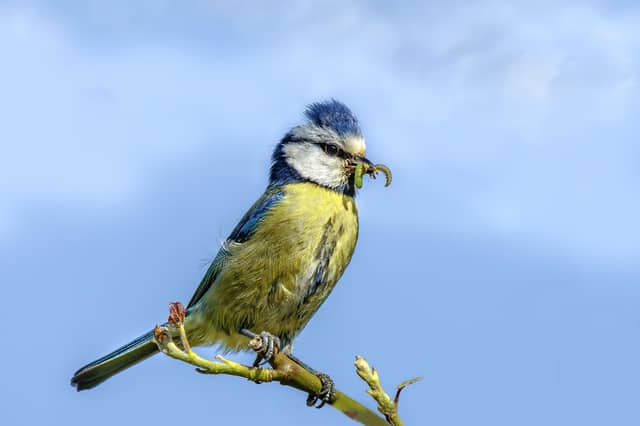

The RSPB’s Big Garden Birdwatch is coming up on the weekend of 23rd to 25th January 2026. This is a chance for people to be involved in a citizen science project to get a snapshot in time on how our garden birds are doing.
From its start 47 years ago, the Big Garden Birdwatch has grown from strength to strength. Last year over 590,000 people contributed nationally. It’s fun so why not get involved? Here’s a link to the RSPB’s website where you can find out all you need to know - https://www.rspb.org.uk/whats-happening/big-garden-birdwatch.
We know from the Big Garden Birdwatch that, as with most things in nature, the picture is not good. Some species are doing well – for instance Long-tailed Tits and Great Tits are increasing. But the situation for other familiar garden birds, such as our Song Thrushes, House Sparrows and Greenfinches, is not so rosy.
Birds are great – they help make life worth living. Seeing a mixed flock of Blue Tits, Long-tailed Tits, Coal Tits and Goldcrests brightens up a dull winter’s day. Look out for Bullfinches, who seem particularly bright at this time of year. And being involved in the Birdwatch will help you “get your eye in” and really appreciated the life that you have in your own garden.
A cynic might say “what have birds ever done for us?”. Well consider for example that one nest of Blue Tits can consume 10,000 caterpillars a year! A lack of Blue Tits could cause some of our trees to be defoliated by these hungry grubs. Research shows that Great Tits nesting in orchards can increase crop productivity by eating thousands of fruit-harming insects. These are just examples; reducing bird numbers could have untold practical consequences.
So, what can we do to help our birds? Being inquisitive and getting involved is a good start. Then consider what they need – food and shelter. See the latest advice on bird feeding and providing next boxes on the Sussex Wildlife Trust website here – https://sussexwildlifetrust.org.uk/discover/in-your-garden/birds
We can also think about how we manage our gardens to help birds, and indeed nature in general. Complex mixtures of plants, shrubs and trees, fuzzy edges, layers of vegetation, ponds, small piles of dead wood, wild patches – all mimicking how nature might have looked before humans tidied up! This diversity provides homes, food and water for birds, insects, and all wildlife. And go pesticide free, there are alternatives, so let’s at least give nature a chance. Poisons are having a big impact on nature – and who wants a silent spring.
Sussex Green Living deliver environmental education in schools, one topic is gardening for people and wildlife, which can include making bird boxes for the school grounds. On Saturday 31st January at the Sussex Green Hub, United Reformed Church, 45 Springfield Road, Horsham RH12 2RG children will be able to make bird boxes and plant food to grow at home. Booking required for bird box making as limited places each month, email Elisabeth on [email protected].
Tony Whitbread, President, Sussex Wildlife Trust written for Sussex Green Living