
Black Down in West Sussex is among UK's best spots to watch Perseid Meteor Shower
Black Down, in the South Downs National Park, could be among the best spots in the country to watch the Perseid Meteor Shower.
It’s the highest point in the entire National Park, with panoramic views of the surrounding countryside, stunning black skies and minimal star pollution – meaning stargazers are almost guaranteed a clear view of the constellations, planets, the Milky Way and, this year, the Perseid Meteor Shower.
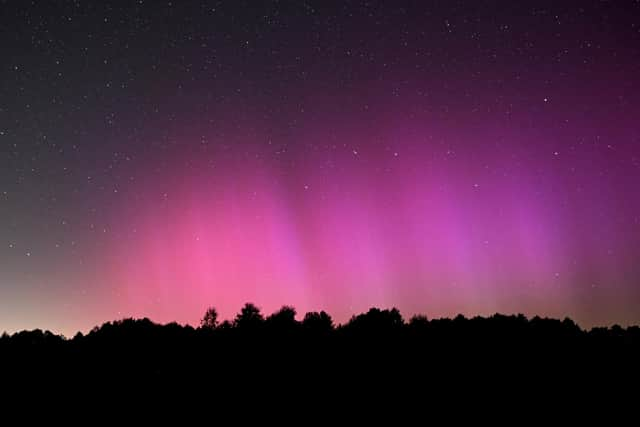

Astronomers say the meteor shower is active from July 17 to August 24, with the number of meteors increasing every night until it peaks with a total of 60 meteors on August 12. The best time to see them, they say, will be between 12am and 5.30am.
It’s one of several celestial phenomena to light up our skies this year, the solar eclipse and northern lights, leading to an increased interest in astro-tourism, with a reported 53 per cent increase in travellers seeking destinations to experience the Aurora Borealis, while almost a third (28%)* plan to visit Dark Sky Reserves this year – according to travel agency Planet Cruise.
Black Down came seventh on the agency’s list of astro-tourism spots, beat out only by areas like the Yorkshire Dales, Snowdonia, the North York Moors and Scafell Pike in Cumbria.
But gorgeous night skies aren’t the only reason to visit Black Down. The National Trust claims its “landscape of wavy hair grass, purple heather, and pine grass” give visitors a rare sense of wilderness.
"As you amble down some of the ancient sunken lanes and drove ways, you can feel a sense of timelessness. Traders, shepherds and chert quarrymen have been using these tracks for thousands of years,” their team says.
"The flanks of Black Down have old flower-rich meadows, ancient woodland and copses. The meadows are cut for hay, which is used to feed the cows over the winter.”
It rings true, with tracks criss-crossing the wild landscape, historians have confirmed some 40 historic tracks in the area; everything from woodsmen’s tracks, paths for turf cutters or transporting stone and droveways for moving stock.
Some of these tracks, they added, provide evidence for small farmsteads surrounding the common many of which now survive only as low stone footings and platforms.