
East Sussex Fire and Rescue Service issues urgent wildfire warning as incident numbers soar across county
East Sussex Fire and Rescue Service (ESFRS) said it is urging the public not to ignore crucial fire safety advice as crews battle a high number of blazes across the county.
The fire service said it has attended 12 wildfires and 284 grassland, woodland, and crop fires in East Sussex so far this year as of July 31.
A spokesperson said: “Wildfires can spread quickly, particularly in hot, dry and windy conditions.
“Don’t light fires in the countryside or open spaces, and take particular care with barbecues, cigarettes and anything that could create sparks. Take litter and glass home with you.

“If you see a wildfire, move to a safe place, get well away from the fire and smoke, and call 999. Give the clearest possible location details, including the access point or what3words if available. Don’t attempt to tackle the fire yourself.
“For rural communities and landowners, keep access routes clear, maintain firebreaks where appropriate, keep machinery clean and well maintained, and have plans for evacuating livestock. During harvesting and other high-risk work, consider wind direction, slopes and adjoining land to reduce the potential for fire spread.
“The key message is simple: preventing fires before they start is the best protection for our countryside, communities, wildlife and emergency services.”
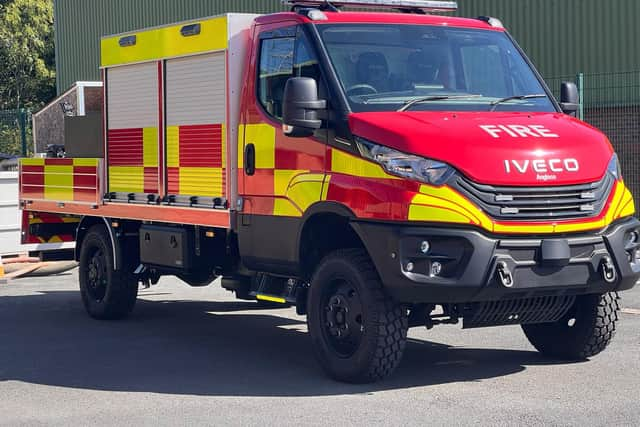
ESFRS said it is investing in new wildfire vehicles and capability.
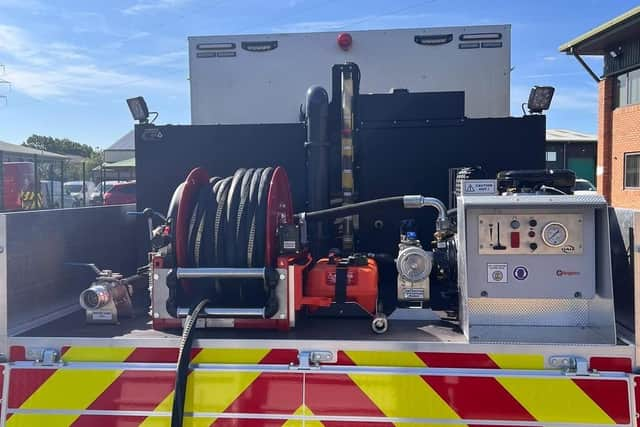
The spokesperson said: “Our new vehicles carry a range of equipment which aim to make it easier to respond quickly to wildfire and other incidents.
“They have 1,200L water tanks and the ability to draw from open water. These are set to be delivered to within the next two months.
“We continue to use our existing four-by-four vehicles, and also have access to specialist vehicles such as our Water Bowser which can carry up to 12,000 litres of water.
“As highlighted by the National Fire Chief’s Council, we welcome the Government’s recent investment in a new specialist wildfire capability, including strategically located wildfire response teams. We also support calls for continued investment.”
A spokesperson for the NFCC said: “This will be needed to ensure services can respond to increasingly complex incidents, including support for specialist equipment, trained personnel and aerial firefighting capability.”
“These incidents continue to place significant demands on fire and rescue services. For fire and rescue services, the challenge is not simply the number of incidents but their duration and complexity, with crews often committed for prolonged periods and facing less time to recover between deployments.”