
'Playful' seal who was rescued and returned to wild found dead on East Sussex beach
A ‘playful and silly’ seal who was rescued, rehabilitated and returned to the wild by the RSPCA has been found dead on an East Sussex beach.
The RSPCA said the seal was found tightly wrapped in an old fishing net, along with another seal.
The charity says the shocking discovery highlights the dangers of litter on land and sea to animals.
The two dead seals were found at Broomhill Sands, Camber, caught in the net along with small sharks and other fish.
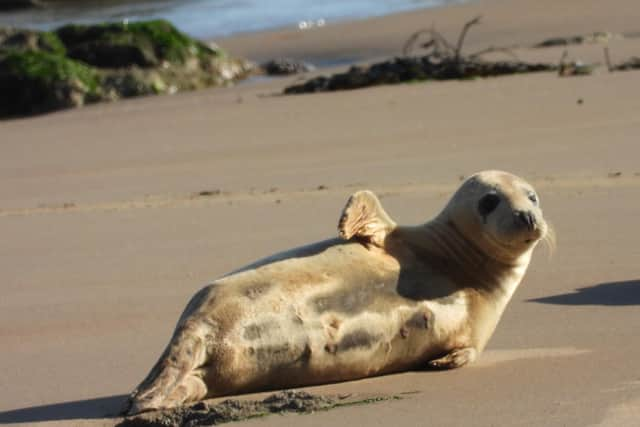

One of the seals had a tag on his flipper, which identified him as ‘Carrom’, a young grey seal who had been rescued by the British Divers Marine Life Rescue before admission to RSPCA Mallydams Wood Wildlife Centre near Hastings early in January.
He arrived as a sick pup, but after 11 weeks’ rehabilitation, had put on enough weight and developed his hunting skills enough to survive, and was returned to the wild in March.
RSPCA Mallydams Wildlife Assistant Sharna Richardson said she was devastated by the news.
She added: “Carrom was a seal that was quite special to our rehabilitation team at Mallydams, as he was incredibly curious and playful, by himself and with other seals.
“He was released back into the wild in March 2025, and was spotted by one of our wildlife assistants on the coast in late September - over six months later - thriving and looking very healthy - and still playful and silly!
“We are devastated to have heard that any animal has faced this fate, but it stings a little bit more knowing him and how much he deserved his freedom and life.”
An RSPCA spokesperson added: "Authorities have been unable to confirm how the two seals died, but whatever happened, they would have met a terrible and frightening death.
"It is unknown how long each of the animals was entangled in the net before they died.
"The seals may have drowned if they became tangled under the surface, but there's a chance the first seal to be trapped could have survived for some time, dragging the netting with them. It's likely this would have prevented them from feeding properly though, so they may have died more slowly from starvation, perhaps ultimately drowning when they weren't able to keep afloat."
RSPCA anti-litter campaigner Carrie Stones said: “The death of Carrom the seal was such a tragedy and so avoidable. Sadly we see far too many incidents involving animals injured or even killed following entanglement in old fishing litter.
“As well as everyday rubbish, many animals arrive into our care with terrible injuries caused by litter such as discarded fishing line, hooks and netting. Around 34% (751) of all litter-related calls to the RSPCA last year were about animals that had specifically become caught in fishing litter, out of a total 2,199 reports made to us about animals affected by all kinds of litter last year.
“These hazards can very quickly become a matter of life or death for animals and action is urgently needed to tackle this problem head-on. It’s up to every one of us to do our bit in the war against litter.”
Carrom was nicknamed by young RSPCA Ambassador Aneeshwar Kunchala who visited Mallydams to talk about seals in January.