
Political opinion with Horsham MP John Milne: Government ignores concerns about planning reforms
Last week, the Planning & Infrastructure Bill returned to the House of Commons for further debate. There have been over 500 amendments proposed, an exceptionally high number. It shows just how concerned MPs are about the potential impact of this legislation.
In particular, there is alarm about removing the need for a development to demonstrate it will not have a negative impact on a protected environment. Developers will instead be able to pay into a nature restoration levy scheme to mitigate any environmental harm elsewhere.
However, that mitigation could be in another part of the country altogether. In reality, it’s simply not possible to replicate rare environments, such as ancient woodlands and chalk streams, in other locations.
The Bill also significantly reduces the power of local communities to shape development. For that reason, I moved an amendment which would compel planning authorities to take into account Neighbourhood Plans, which are the best expression of local wishes. Shockingly, they don’t get so much as a mention in the entire Bill.
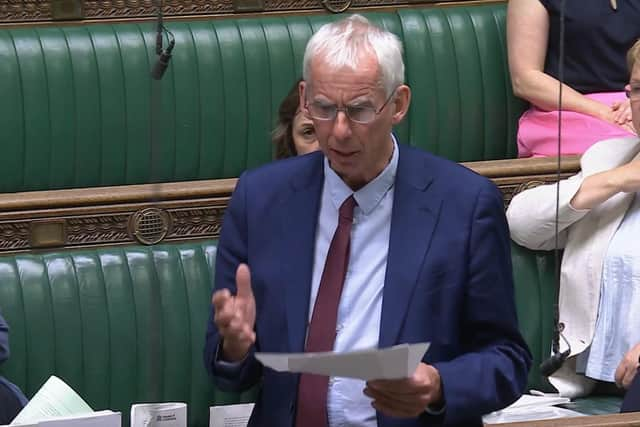

I moved other amendments designed to deal with the pressure new housing places on local services. My view is that local infrastructure commitments should be made legally binding. Horsham District Council, like other planning authorities, will, in good faith, negotiate the provision of services such as schools and clinics before it grants planning permission. But as we know to our cost, those promises are not always kept.
Why does this happen? Surprisingly, it’s usually not the fault of the developer. Rather, it’s because the Department of Education or the Integrated Care Board decide not to go ahead and build what was promised. They can save money by cramming more kids into existing schools or more patients into existing GP surgeries, so that’s what they do.
My fellow Liberal Democrats and even some Labour MPs also tried hard to set a minimum number of homes for social rent per year. This is acknowledged to be the most effective way to make housing genuinely affordable in the short term. Unfortunately, the government rejected every amendment of substance, and that’s very disappointing.
There are two key reasons why people oppose development. Firstly, because the new housing is too expensive for locals. Secondly, because it increases the strain on already overstretched local services. Neither will be solved by this legislation.