
OPINION: ‘A fall of firetails’ – seeking out migrating birds with Anna Allum from RSPB Pulborough Brooks
See the latest news from Your World at https://www.sussexexpress.co.uk/your-world
A bird darts out from the hedge line, dives down into the long grass and returns to its perch with insect prey. It flicks its tail and I see a flash of rusty-red. It’s my first Redstart – or firetail – of the autumn.
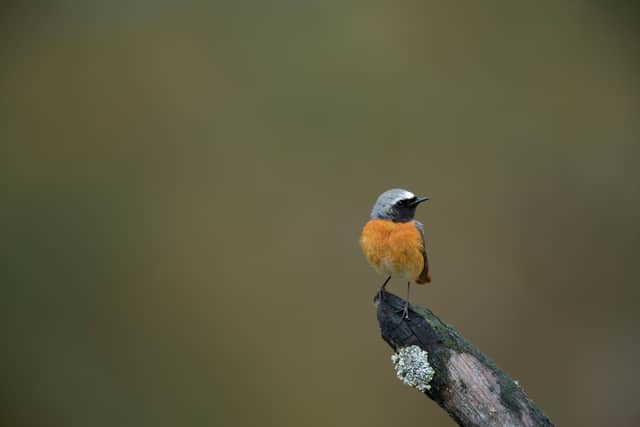

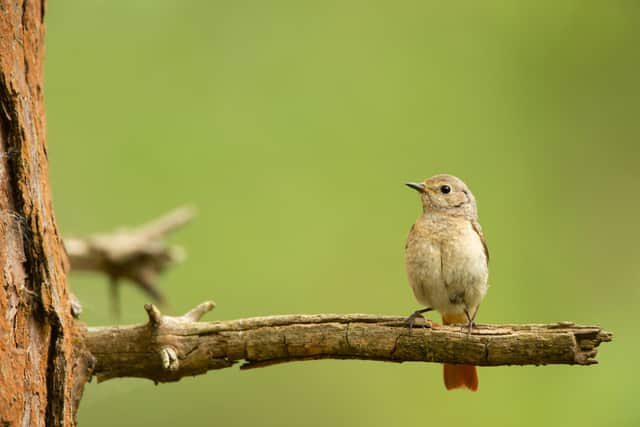
This bird is the male - a striking fellow who is pinky-red below with a black face, silvery-white forehead, grey back and striking red tail. I wonder if there will be a female nearby – her colouration is more subtle with pale orangey-red underparts and pale brownish upperparts but sharing the red on the tail.
The Redstart is a summer visitor to Britain & Ireland, spending the winter in sub-Saharan Africa. Around 95% of migrating birds, including the Redstart travel by night – the cooler night air stops small birds from overheating. Flying at night also makes them less vulnerable to predation – hunters like hawks and falcons rely on sharp vision so they won’t be out hunting.
Night-time travel also means that you have the daylight hours free for finding food and resting along your route. Places like RSPB Pulborough Brooks act like a service station for Redstarts and other migrating birds. If there are difficult weather conditions overnight, this makes flying tough and lots of migrating birds are forced down from the sky. This is known as a ‘fall’ and on the morning after the hedgerows and bushes are full of small birds.
That such small birds, like this Redstart, undertake such long migratory journeys is incredible. Weighing in at around 15 grams (about the same as 1 AA battery) and with a wingspan of 22 centimetres, the Redstart takes 4 to 6 weeks to complete its 2000 mile plus journey. And that’s just one way – it will have done the same thing the other way around in spring!