
Volunteers help clean up River Lavant's chalk stream
See the latest news from Your World at https://www.sussexexpress.co.uk/your-world
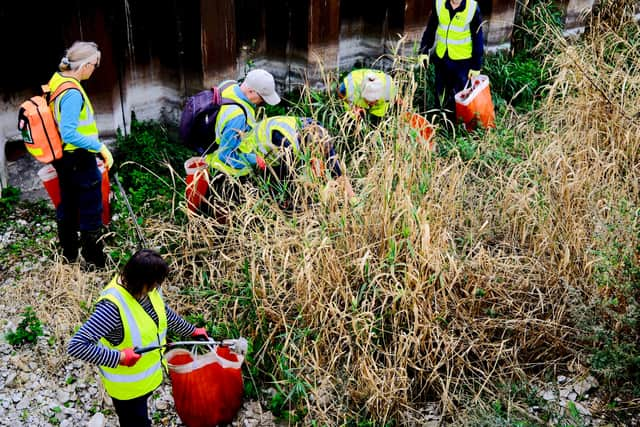
Over three days in September, 42 committed volunteers came together to clear a 2.5km stretch of the River Lavant, a precious chalk stream which runs through Chichester in West Sussex.
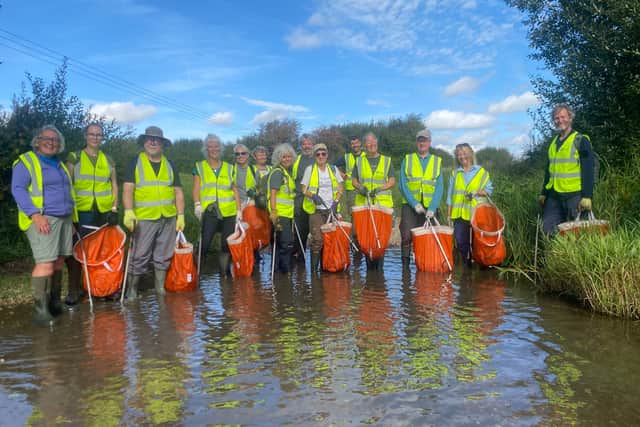

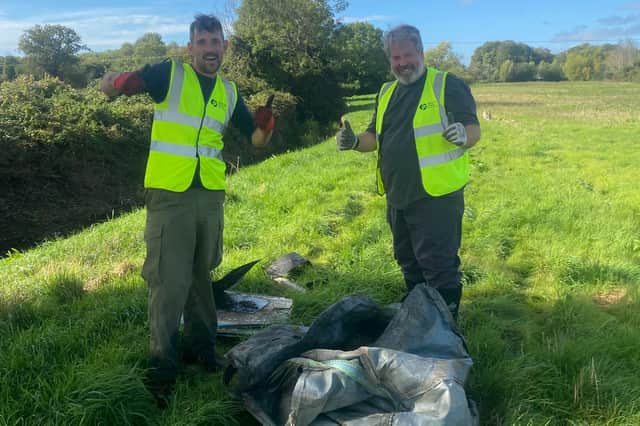
Focusing efforts near Westhampnett Road, Barnfield Drive, and south of the A27 near Apuldram, the group collected a whopping 867kg of litter, including 530 cans, 363 plastic bottles, 170 glass bottles, 3 shopping trolleys, 2 paddling pools, 20 shotgun cartridges, and even a garden sofa.
Every single bit of plastic removed from the river channel will help improve its water quality and support habitat restoration in the area.
Like many of our UK rivers, the Lavant is in poor condition due to sewage pollution, over-abstraction of water, plastic pollution, pesticide run-off from agricultural land, tyre particles from road run-off and urbanisation.
With the recent heatwaves this summer causing 80% of the UK to still be in drought status, our rivers are facing a challenging time, one that also brings concerns about our own water supplies.
These river clean-up days, organised by The Final Straw Foundation and the Western Sussex Rivers Trust, supported by South Downs National Park and Chichester District Council, are just one of many ways in which we can all help improve the quality of water found in our rivers.
Chalk streams have been described as the UK’s equivalent of the Great Barrier Reef, a precious part of our landscape which must be looked after and nurtured for both wildlife and humans alike.
Helen Littlejohn from The Final Straw Foundation explains: "The heatwaves this summer highlighted how important our rivers and water quality are, not just for our wildlife but for our health as well.
"Water is such a hot topic at the moment, and we all have a responsibility towards our water quality. Plastic waste that we can see doesn’t go away, but breaks down into smaller and smaller pieces, threatening all the wildlife that rely on this ecosystem, ultimately ending up in our food chain and into us.
"It is estimated that we ingest 5 grams of plastic per week equivalent to the weight of a credit card!"
Plastic waste also contains PFAs, known as forever chemicals2, pollution that we can’t see. Widespread in our air, water and soil, these chemicals are resistant to heat, oil and grease and are found in food packaging, cosmetics, pesticides and stain resistant fabric. They bio-accumulate meaning they never go away, with scientists estimating that 99% of the global population have PFAs in their blood. By removing plastic waste from rivers, this reduces the PFAs pollution in our water courses and therefore helps improve our health.”
"The River Lavant is a Chalk Winterbourne," explains Louise Barneston, the River Lavant Chalk Stream Resilience Officer for the Western Sussex Rivers Trust.
“Being a Winterbourne, the River Lavant naturally dries up during the summer months and then returns over the winter. The unique wildlife that relies on this river is adapted to the cycle of drying and re-wetting." However, the quality of this habitat has deteriorated due to sewage being pumped into the river and pollution washing into the water from the adjacent farmland and roads.
This clean-up is part of a wider Chalk Stream Resilience project 3 which looks at the whole catchment to renaturalise the river, re-connect it to its floodplain to help reduce local flooding and educate communities about how natural river processes work.
Reducing pollution in the river increases oxygen levels, improving water quality and thereby supporting a wider diversity of plants and animals along the river corridor. Habitat restoration supports a range of wildlife such as rare water voles, and chalk stream specialists such as the Winterborne Stonefly and the Scarce Mayfly.
Louise highlights how we can all do our bit to help support our rivers and our own water supply: “We must treat water as a precious resource. On average, a person in the UK uses 150 litres of water per day. The heatwaves and water shortages in the summer showed us that this is not sustainable and we must find ways to reduce our water usage which puts pressure on watercourses, like the River Lavant."
There are some easy, quick, low-cost ways that we can all help reduce pressure on rivers in our local areas such as getting a reusable water bottle to reduce plastic waste and swapping to an eco-friendly washing-up liquid and cleaning products. Think about taking shorter showers, installing a water butt and only washing clothes when they are dirty and with a full load.”
To find out more and get involved in volunteering at future river clean-ups, beach cleans or becoming a River Guardian, please visit the Final Straw Foundation - https://finalstrawfoundation.org/ and Western Sussex Rivers Trust - https://wsrt.org.uk/ - websites for more information and details of upcoming events.