
RSPCA urges Sussex shoppers to choose higher-welfare chicken

Sussex shoppers are being urged to choose higher-welfare chicken and cut back on animal products, as the RSPCA highlights potential links between farming standards and food safety.
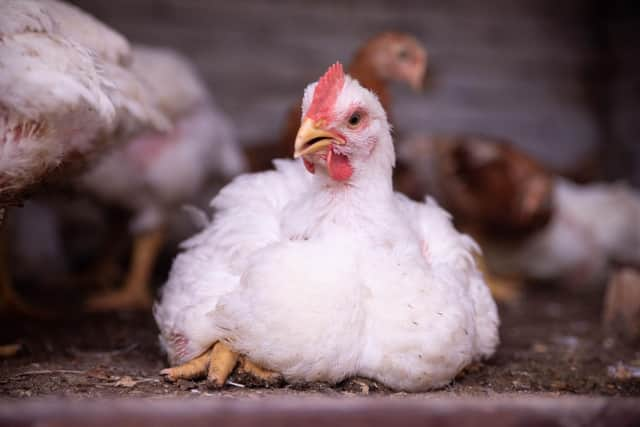
The charity says switching to slower-growing chicken breeds could improve animal welfare and help reduce risks associated with campylobacter, a bacterium that causes food poisoning.
While no farming system can eliminate campylobacter, the RSPCA argues that reducing stress and improving conditions for birds could help address factors linked to its spread.
Charlotte Arthur, senior scientific officer for poultry at the RSPCA, said: “By switching to slower-growing chickens, we will not only drastically improve animal welfare standards, but could quite literally keep people safer and healthier.”

The charity’s call comes as researchers explore ways to reduce contamination during chicken processing, including the use of blue light.
The RSPCA says action on farms should also form part of efforts to tackle the problem. It points to evidence suggesting that slower-growing birds experience fewer welfare problems and may be less susceptible to some of the processes that allow the bacterium to spread.
Charlotte said: “While no farming system can eliminate campylobacter, higher-welfare farm systems address many of the same risk factors that are being identified.”
The charity also highlighted concerns about ‘thinning’, where some chickens are removed from a flock for slaughter before the remaining birds. It says the practice can cause stress and create biosecurity challenges. Thinning has been banned on RSPCA Assured farms since 2016.
Alongside its call for higher welfare standards, the RSPCA is encouraging people to reduce their consumption of animal products by three per cent each year.
It says small changes, combined with choosing higher-welfare produce, could collectively benefit large numbers of farm animals.
Charlotte said: “A small reduction in the amount of animal products we buy, combined with choosing higher welfare products, can make a massive difference for countless animals and humans alike.”
Shoppers can use the charity’s online food impact calculator to set a personal reduction target and find practical guidance.
The RSPCA is also encouraging people to check food labels. Its RSPCA Assured chicken standards require slower-growing breeds, lower stocking densities and enrichment such as perches and materials for pecking.