
From field to farmshop: Easebourne grower to supply Cowdray
See the latest news from Your World at https://www.sussexexpress.co.uk/your-world
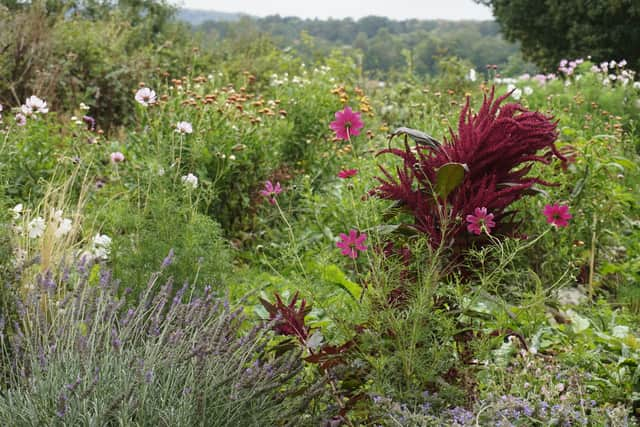
Tucked behind the Cowdray polo lawns and farm shop in Easebourne is a wild, whimsical pocket of land where flowers grow in joyful disorder. The Ramshackle Garden looks part flower farm, part medieval physic garden, but its purpose is thoroughly modern.
At a time when the UK imports up to 90% of its cut flowers, often flown thousands of miles from Kenya, Ethiopia and Colombia, this tiny plot is part of a growing movement to cut “flower miles” and produce blooms with a far smaller carbon footprint.
The garden is tended by grower and florist Lucy Lee, who over the past six years has turned her love of flowers into a business.

After leaving an unhappy job in London, she began growing flowers on an allotment just as artisanal flower production was seeing a national revival; the number of small‑scale growers has risen 35% since 2019.
When Cowdray offered her a parcel of unloved land, she seized the chance. “I wanted a job that let me be outside, working with my hands,” she says.
The land proved remarkably fertile. With her no‑dig, organic approach, dormant plants began to reappear, while she introduced species that thrive in the South East’s increasingly hot, dry summers.
Southern England has seen record temperatures and reduced summer rainfall in recent years, and many traditional British flowers now struggle. Her mix of cosmos, dahlia, helichrysum and lavender, all drought‑tolerant and ideal for drying, reflects a climate‑driven shift in what small growers can reliably produce. “You have very little control over a garden,” she says. “And that’s very freeing.”
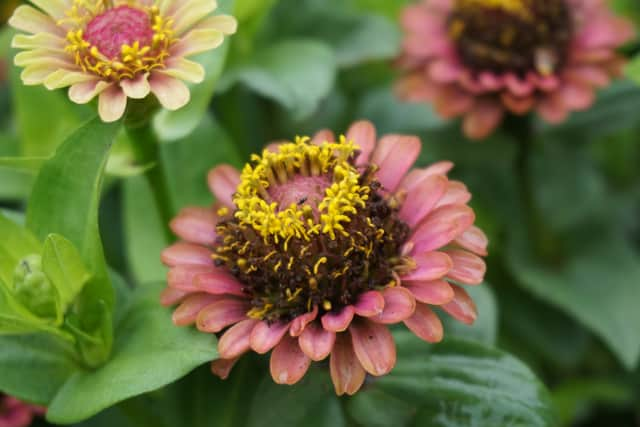
After harvesting the flowers, she takes them to her workshop to dry, before creating wreaths, garlands, wedding arrangements and even delicate flower fairies – which went viral last autumn. “That was a very funny, surreal moment.”
She had taken her handcrafted fairies to a local market, where social media sensation Zoella bought a couple for her children before posting them on to her popular YouTube account. Suddenly Lucy Lee was inundated with orders and was working around the clock to keep up.
Alongside her stalls at markets and fairs, she supplies flowers to Knepp Estate and Juniper Café in Arundel, but always hoped, given its proximity, to work with Cowdray Farm Shop.
From Monday, Ramshackle will supply both dried arrangements and fresh bouquets, working with other local growers to keep flower miles to an absolute minimum. A typical imported bouquet can generate 2–3kg of CO₂, whereas locally grown stems have up to 90% lower emissions.
In her drying room, bunches of flowers hang from the beams in dense, rustling rows, slowly shifting from fresh colour to the papery textures used in her everlasting arrangements. It has an almost folkloric feel, thick with stems, seed heads and suspended blooms. The new Cowdray contract will make her long days in here, and out in the garden, even busier.
“I wouldn’t be able to do this job if I had children, or even a dog”, she said.
However, this kind of end-to-end approach, from soil to bouquet, is what buyers are increasingly after. Sales of locally grown, seasonal flowers have risen steadily over the past three years, driven by climate awareness and a desire for more transparent supply chains.
The success of Lucy’s small, no‑dig plot, and Cowdray’s decision to stock flowers grown metres rather than continents away reflects a wider move towards slower, more sustainable floristry.
This shift in consumer habits happily aligns with the values of growers like Lucy, who have always preferred to work with the land, outdoors and close to the rhythms of the seasons.