
Iconic Sussex forest urges drivers to slow down for deer
People are being urged to be aware of deer when using roads near to Ashdown Forest.
Although a challenge across the south east, Ashdown Forest is a particular hotspot for deer collisions, so drivers travelling through the area are being advised to slow down and be extra vigilant during the rut.
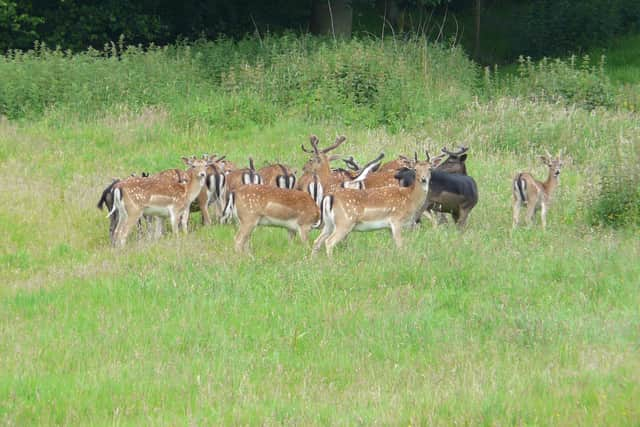

Road traffic accidents involving deer are a serious problem especially in the autumn as the deer become more active during their annual mating season known as the rut.
Other factors including pressure on habitats mean that deer are coming into contact with drivers more frequently as they search for food. Figures from the British Deer Society (BDS) estimate that every year around 40,000 deer are injured or killed on UK roads – although that number could be as high as 75,000.
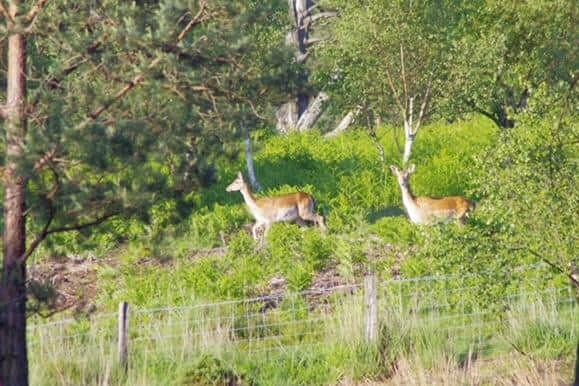
Beth Morgan, Head of Engagement and Development at Ashdown Forest, said: “Collisions with vehicles on the Forest’s roads are one of the biggest causes of deer fatalities. Many of the deer hit by cars are not killed outright and have to be put down at the roadside by local deer wardens, while others may run away but will later die from their injuries. We must not forget that these collisions also cause substantial damage to cars, as well as injuries to drivers and passengers..”
Ashdown Forest’s Head of Countryside Ash Walmsley said: “During the rutting season the deer become more active as they extend their territories in search of mates or return to established rutting sites. They are most active around the morning and evening rush hour, meaning there is an increased risk of collisions with vehicles. However, they do move throughout the day and we advise drivers to stay alert at all times.
Tips to reduce the risk of a deer collision:
If your headlights are on, use full beams when you can but dip them if you see deer because they may ‘freeze’
Lower your speed when you see a deer. More deer will likely follow the first one you see, so be aware
Always be prepared to stop. Avoid suddenly swerving to avoid a deer. Hitting oncoming traffic or another obstacle could be even worse
If you must stop, activate your hazard warning lights.
Do not approach an injured deer as it could be dangerous.
If the deer is injured but alive and either in the road or could go back onto the road call 999 and ask for the Police.
If the deer is alive but injured and unlikely to go into the road, please call 101 and Police will contact a deer warden.
If the deer is dead but causing a road obstruction, call 999.
If the deer is dead but not in the carriageway, please contact Wealden District Council for collection (guidance may vary in areas outside of the Wealden District).
Using an app like What3Words can help pin point exact locations to share with the Police and the Council.
Various agencies including Highways England and the RSPCA have set up an initiative called Deer Aware. The aim is to build a national database of deer collision incidents to pinpoint particular hotspots, and devise strategies to better protect road users and deer. Drivers can record details of incidents on their website www.deeraware.com/report-incident/.