

City status in the United Kingdom can be associated with having a cathedral or a university, a particular form of local government, or having a large population.
Although any of these might be used to justify the popular use of the term ‘city’, in formal terms UK city status is granted by the monarch, on the advice of ministers.
There are 76 cities in the UK – 55 in England, eight in Scotland, seven in Wales and six in Northern Ireland – includes the six new cities created in the UK during the Queen’s Jubilee in May 2022.
It is well established that London is the biggest city in the UK – containing more then ten million residents.
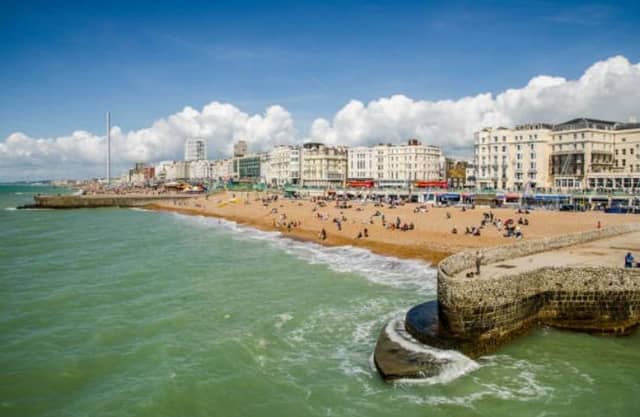
Brighton ranks within the top twenty on the list. The seaside location was granted city status in 2021; and sees itself ranked above Swansea, Southampton and Stoke-on-Trent with a population of more than 270,000.
HAVE YOU READ THIS?
But what are the smallest cities in the UK? And where does Sussex’s oldest city Chichester rank with it’s population of less then 30,000?
According to the stats gathered by UK Population Data, here are the top 10 cities by population in the United Kingdom.
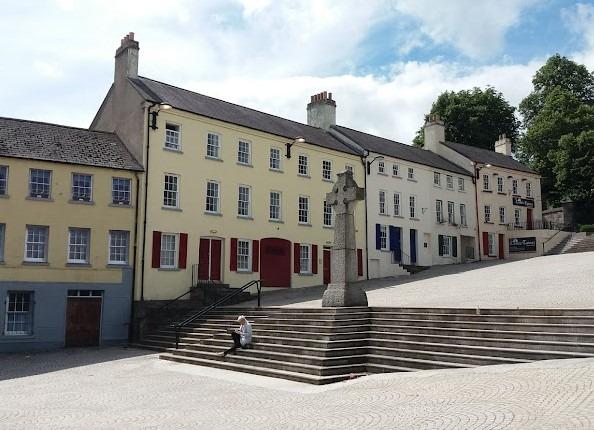
5. Arnagh - 14,777
With a population of 14,777 - Arnagh is the ecclesiastical capital of Ireland – being the seat of the Archbishops of Armagh, the Primates of All Ireland for both the Roman Catholic Church and the Church of Ireland. Photo: Google Maps
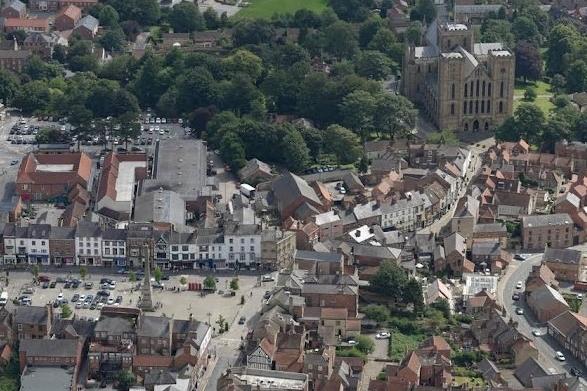
6. Ripon - 16,702
With a population of 16,702, this North Yorkshire city is the third smallest in England and is famous for its Ripon Cathedral, which is architecturally significant, as well as the Ripon Racecourse and market. Photo: Google Maps
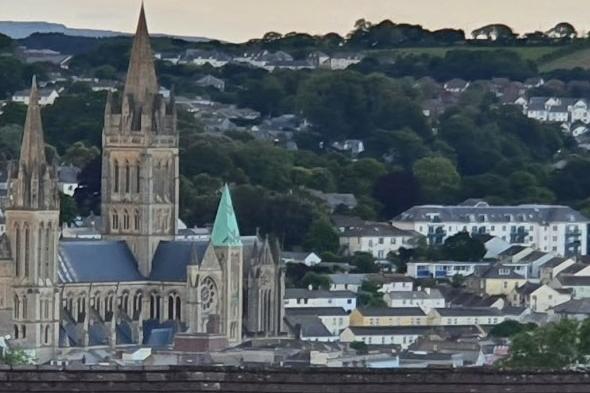
7. Truro - 18,766
With a population of 18,766, Truro is Cornwall's only city and grew as a trade centre through its port and as a major town for tin mining. Photo: Google Maps
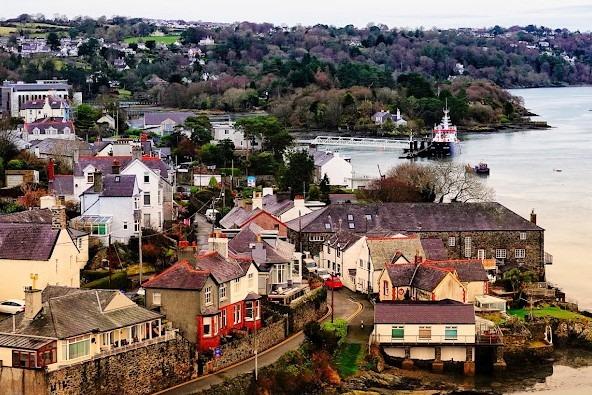
8. Bangor - 18,808
With a population of 18,808, Bangor is the oldest city in Wales, gaining its status in the early 6th century. Landmarks include Bangor Cathedral, Bangor University and Garth Pier. Photo: Google Maps