
Sussex NHS staff put to the test in emergency training exercise
Dozens take part in emergency training exercise
More than 100 doctors, nurses, volunteers and support staff have taken part in a major emergency training exercise designed to ensure University Hospitals Sussex teams are prepared to deliver safe, effective care during major incidents and catastrophic events.
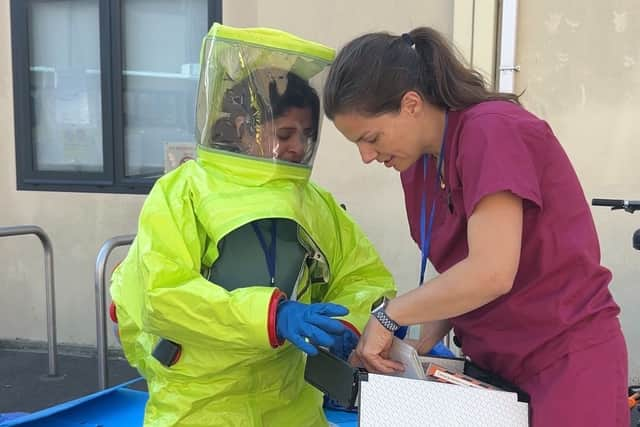

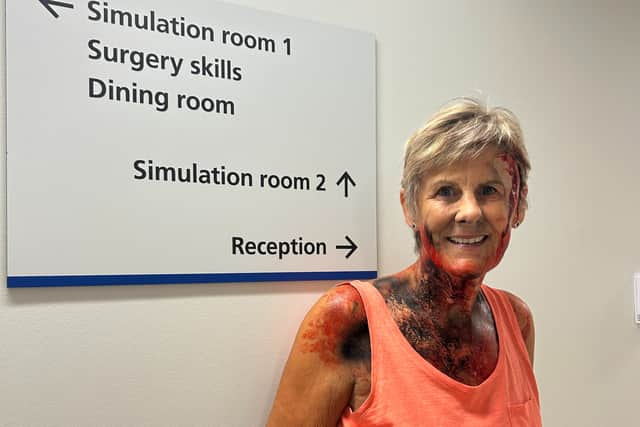
Over two days, staff participated in realistic trauma training and emergency simulations alongside volunteers acting as severely injured and ill patients.
Scenarios included a hazardous decontamination leak, a major incident at Brighton’s Palace Pier involving multiple casualties, and the activation of a hospital incident co-ordination centre (HICC) with senior leaders and managers.
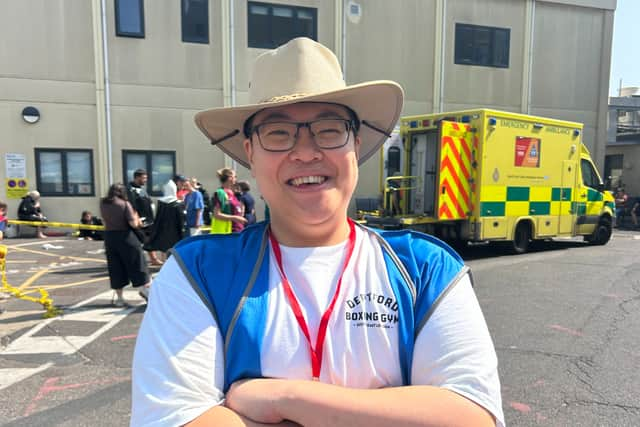
The realistic exercises were designed to build skills, confidence and teamwork needed to respond effectively in high-pressure situations, while testing the trust’s emergency plans and procedures.
Dr Jake Hong, A&E consultant and one of the leads for the exercise, said: “The major incident trauma course gave colleagues the opportunity to practise, learn and build confidence in a safe environment ready for a major catastrophic event.
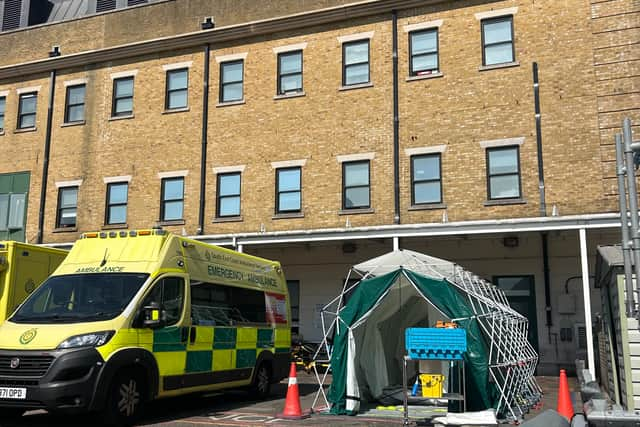
“We mocked up a range of emergency scenarios and gave participants the opportunity to work through complex situations together. What always stands out to me is how quickly people grow in confidence over the two days. Participants step outside their comfort zones, support one another and learn from every scenario, whether things go to plan or not.
The course was run by Dr Salwa Malik, A&E consultant and emergency department clinical and simulation lead, alongside mmergency medicine teams, the trust’s emergency preparedness, resilience and response (EPRR) team, volunteers and external partners including St John Ambulance, Casualties Union, Amputees in Action, and the Rapid Relief Team.
Dr Hong added: “We’re incredibly grateful to the charities and everyone who was involved in making this event possible. Their support creates meaningful learning experiences that help us strengthen teamwork, test our processes and continue improving how we prepare for future challenges.”
The course supported the trust’s new five-year strategy and education plan aimed at creating a skilled, inclusive and future-ready workforce through high-quality learning, career development and professional growth opportunities for all staff at every stage of their careers.
The trust, known as UHSussex, runs Worthing Hospital, St Richard's Hospital in Chichester, Southlands in Shoreham, the Royal Sussex County Hospital in Brighton and the Princess Royal Hospital in Haywards Heath.
Julie Ferguson, head of emergency preparedness, resilience and response at UHSussex, said: “Exercises like these are an important part of ensuring we are prepared to respond safely and effectively to a wide range of major incidents. They allow us to test our plans, strengthen relationships between teams and identify opportunities to learn and improve.
“What was particularly impressive was seeing colleagues from across our hospitals and services working together. Major incidents require a co-ordinated response from many different teams, and this exercise demonstrated the professionalism, adaptability and teamwork that our staff bring every day.”
As a major university teaching trust, education sits at the heart of delivering the ‘Always Learning’ commitment part of the trust’s Excellent Care, Everywhere strategy, which ensures colleagues have the skills, knowledge and confidence to meet the changing needs of patients and communities.
Martyn Clark, director of integrated education at UHSussex, said: “Excellence in patient safety training isn’t just about the technical skills, it’s about creating the right conditions for people to learn, reflect and support one another. Through simulation, colleagues can practise responding to challenging situations in a safe, structured environment. These exercises help build confidence, strengthen communication and deepen trust across teams.
“As part of our Education Plan, this work is central to developing a future ready workforce and reinforcing our One UHSussex approach to emergency preparedness, ensuring we can deliver excellent care when our patients and communities need us most.”