
Richard Esling On the Grapevine: Kleine Zalze: blending quality with responsibility
See the latest news from Your World at https://www.sussexexpress.co.uk/your-world
There is much to admire about South Africa’s modern wine industry, not least the way in which an increasing number of producers are combining quality winemaking with a genuine commitment to the people whose livelihoods depend upon it. Stellenbosch-based Kleine Zalze is a particularly interesting example, demonstrating that responsible production and exciting, contemporary wines can go hand in hand.
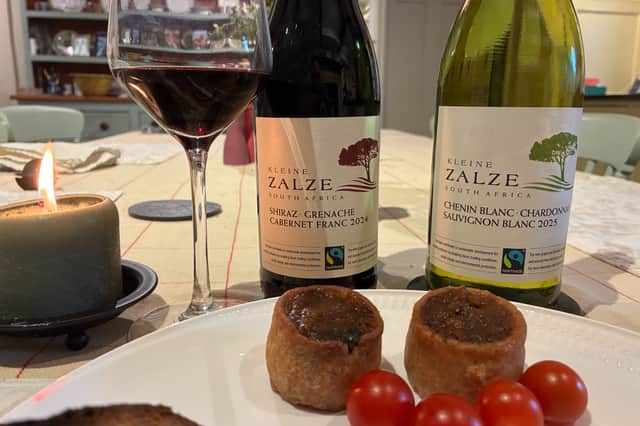

With winemaking on the estate dating back to 1695, Kleine Zalze has a long heritage, but its modern approach is anything but conventional. Its philosophy recognises that great wine depends upon three essential ingredients: the vineyard, the cellar and, perhaps most importantly, the people who make it all possible. That last element is particularly significant because Kleine Zalze is associated with Fairtrade certification, an initiative that brings a social conscience to the enjoyment of a glass of wine.
Fairtrade is about more than a logo on a bottle. It seeks to ensure fairer trading conditions and better opportunities for the people producing our food and drink. In the case of Kleine Zalze, a Fairtrade premium is paid in addition to the market price, with the money directed into a separate fund administered by the workers’ Fairtrade Association. It is then used for the benefit of employees, their families and the surrounding community. Previous projects have included educational and medical assistance, home improvements, training courses and support for cultural activities.
This means that choosing a bottle can contribute to something beyond the pleasure of the wine itself. In an industry where the human contribution is often overlooked, that is a worthwhile distinction. However, social responsibility would count for little if the wines failed to deliver in the glass. Kleine Zalze is exploring a more adventurous approach to blending grape varieties, moving beyond the familiar single-varietal bottlings that have helped establish South Africa’s reputation.
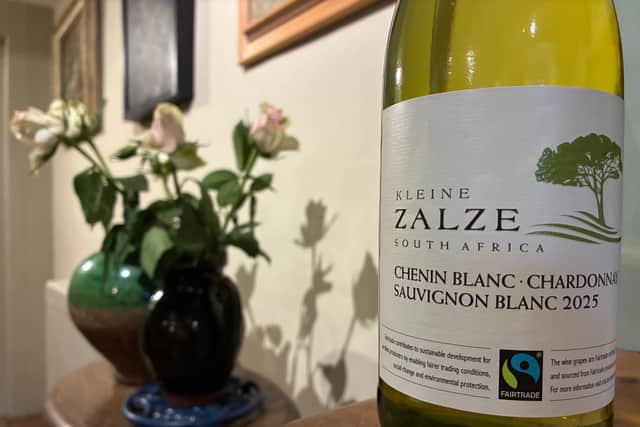
The white blend Chenin Blanc–Chardonnay–Sauvignon Blanc is an appealing example of how three different personalities can combine to create something greater than the sum of their parts. Chenin Blanc, South Africa’s most recognised white grape, provides the central character, bringing generous stone-fruit flavours and a satisfying texture. Chardonnay adds roundness and breadth, while Sauvignon Blanc contributes a lively citrus lift and refreshing acidity. The result is a bright, fruit-driven white with notes of tropical fruit, peach, green apple and lemon zest, balanced by a refreshing, clean finish. It is an eminently versatile partner for fish, grilled chicken, autumn salads or a simple kitchen lunch. £8.50 from Tescos.

The red blend of Shiraz, Grenache and Cabernet Franc follows the same spirit of experimentation, bringing together three varieties with contrasting strengths. Shiraz supplies dark fruit and black pepper spice; Grenache introduces a softer, more generous red cherry and raspberry character, while Cabernet Franc adds aromatic notes, complexity and structure. Expertly balanced, the combination offers a more nuanced alternative to a straightforward, single varietal red, with the potential to complement everything from chargrilled gently spiced pork ribs to sausage pasta or Mediterranean vegetable dishes. £11 from the Coop.
What makes these wines particularly attractive is their accessibility with competitive pricing. Innovative blending need not be the preserve of expensive, limited-production bottles, just as ethical production need not mean sacrificing enjoyment or value. These are wines with a modern outlook, a sense of purpose and, above all, plenty of appeal in the glass.