
Gulls released by West Sussex wildlife hospital spotted on neighbouring islands

Gulls released by a West Sussex wildlife hospital have been spotted on the Isle of Wight and Alderney just weeks after being returned to the wild.
Brent Lodge Wildlife Hospital, in Sidlesham said the sightings offered encouraging news for its team, which has cared for a record number of gulls this year.
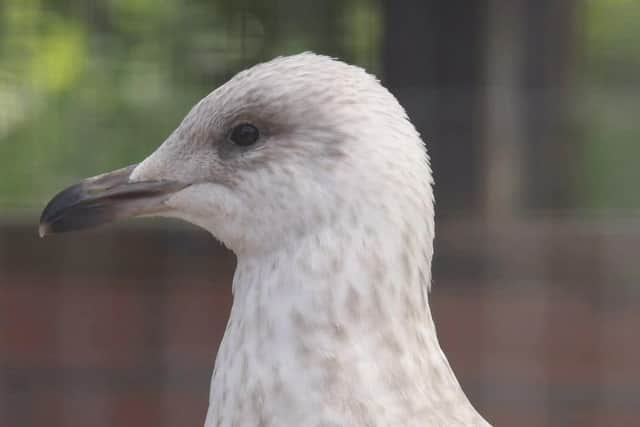

In a recent social media update, the hospital said extreme heat had contributed to an increase in gulls found suffering from dehydration and heat stress. Others were brought into care after being found abandoned or orphaned.
Following treatment and rehabilitation, the birds were released into the wild in Hampshire. Some have since travelled considerable distances, with sightings providing an insight into how they adapt to life outside the hospital.
Each gull released by the hospital is fitted with an individual identification ring as part of a national project studying the survival, movements and behaviour of rescued birds.
Members of the public can help researchers by reporting sightings of ringed gulls, providing valuable information about where the birds travel and how they fare after release.
In its update, Brent Lodge Wildlife Hospital said: “Receiving sightings of our rehabilitated gulls is incredibly rewarding. Each report gives researchers valuable information about where these birds travel and how they adapt after returning to the wild.
“It has been a challenging few days for seabirds with these extreme winds and heavy downpours of rain, so it is reassuring to know that some are coping well with the conditions.
“Please keep your eyes peeled for gulls with blue leg ID tags and get in touch if you spot one. You never know how far they have travelled.
“A huge thank you to everyone who takes the time to report a ringed bird, and to our dedicated volunteers who carefully ring our gulls before release.”
The hospital is encouraging people to look out for gulls wearing blue identification rings and report any sightings to help researchers track their journeys.